Horse Chestnut Extract Benefits for Legs and Circulation
| What it is | Horse chestnut seed extract (HCSE) from Aesculus hippocastanum, standardised for its active saponin aescin (also spelled escin). |
| How it works | Aescin is traditionally used to support healthy vein tone and capillary integrity, which helps the body keep tissue fluid where it belongs. |
| Label check | Look for a seed extract standardised to a stated aescin percentage and confirmed esculin-free. |
Horse chestnut extract benefits for legs and circulation
If your legs feel heavy, tight or a little swollen by the end of a long day at a desk or on your feet, you are describing exactly the kind of everyday fluid pooling that horse chestnut has been used for across centuries of European herbal practice. The horse chestnut extract benefits people talk about for legs and circulation nearly all trace back to a single family of compounds and one simple idea: keep the tiny vessels that carry fluid toned and sealed, and the fluid moves the way it should instead of settling in your lower limbs.
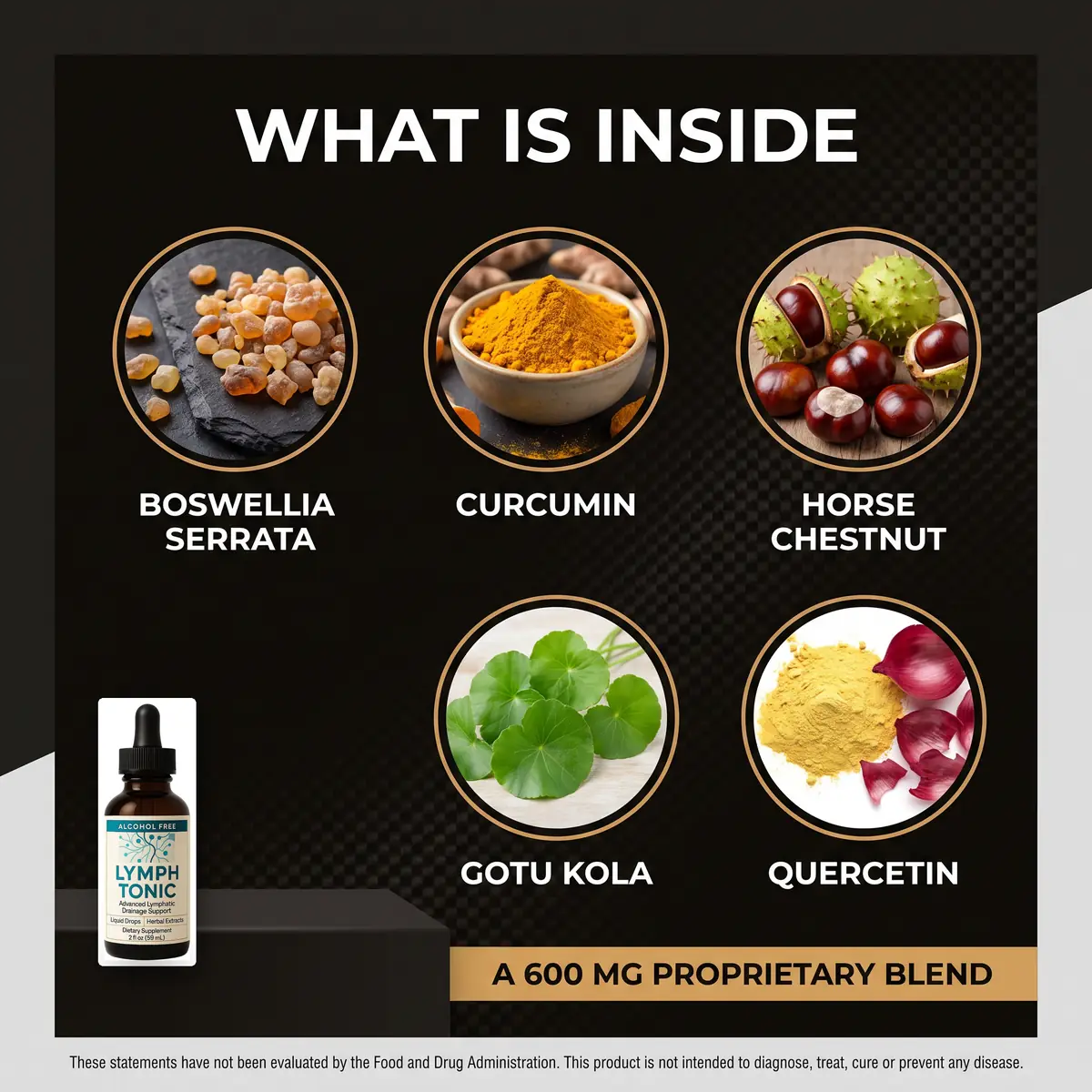
This guide walks through what horse chestnut seed extract actually is, the mechanism behind those leg-comfort and circulation benefits, how it is dosed in the research, and — most usefully — what to look for on a supplement label so you can tell a well-made extract from a token pinch of powder. It is one of thirteen actives in LymphTonic, so understanding it tells you a lot about how the whole formula is meant to work.
What horse chestnut extract is
Horse chestnut is the seed of Aesculus hippocastanum, a large ornamental tree native to the Balkans and now common across Europe and North America. The conkers most people recognise from parks are the raw seed — and, importantly, the raw seed is not something you should ever eat. What herbalists and supplement makers use is a carefully processed horse chestnut seed extract (HCSE), concentrated and purified so that the beneficial compounds are retained and the problematic ones are removed.
The star compound is aescin (you will also see it written as escin), a naturally occurring mixture of triterpene saponins. Quality extracts are standardised to a specific aescin content — commonly in the region of 16 to 20 percent — so that each dose delivers a predictable amount of the active. When you read about horse chestnut in the scientific literature, aescin is almost always the compound being measured.
Why the seed, and why "esculin-free" matters
Raw horse chestnut naturally contains a coumarin glycoside called esculin (aesculin) that is not desirable in a supplement. Properly manufactured HCSE removes esculin during processing, which is why a trustworthy product will describe itself as standardised and esculin-free. This is the single most important quality marker for the ingredient: it is the difference between a controlled, well-studied seed extract and unprocessed plant material. Any horse chestnut worth taking is a processed, standardised seed extract — not bark, not leaf, and never the raw conker.
How horse chestnut supports legs and circulation
Horse chestnut is one of the few botanicals in this category with a Cochrane review behind it. The evidence synthesis on horse chestnut seed extract for chronic venous insufficiency found short-term benefit for leg symptoms in the trials available, while noting their size and quality limits.
To understand the mechanism, it helps to remember that your circulatory and lymphatic systems both spend a lot of energy managing fluid. Blood arrives in your legs under pressure from the heart, but getting that fluid back up against gravity depends on healthy, elastic vein walls and one-way valves, plus the muscle pump in your calves. When vein tone slackens and the tiny capillaries become more permeable, fluid seeps into the surrounding tissue faster than it can be cleared — and that is felt as heaviness, tightness and mild puffiness.
Aescin is thought to help on two fronts. First, it is traditionally used to support venous tone — helping the vein walls stay firm and springy rather than slack. Second, laboratory research suggests aescin helps reduce the activity of enzymes that break down the proteoglycan "cement" in capillary walls, which is associated with supporting capillary integrity and normal fluid balance. In plain terms: firmer veins and tighter capillaries mean less fluid leaking out into the tissue, and better everyday drainage from the legs. This is the classic rationale behind horse chestnut's long use for tired, heavy-feeling legs.
Give your legs botanical backup
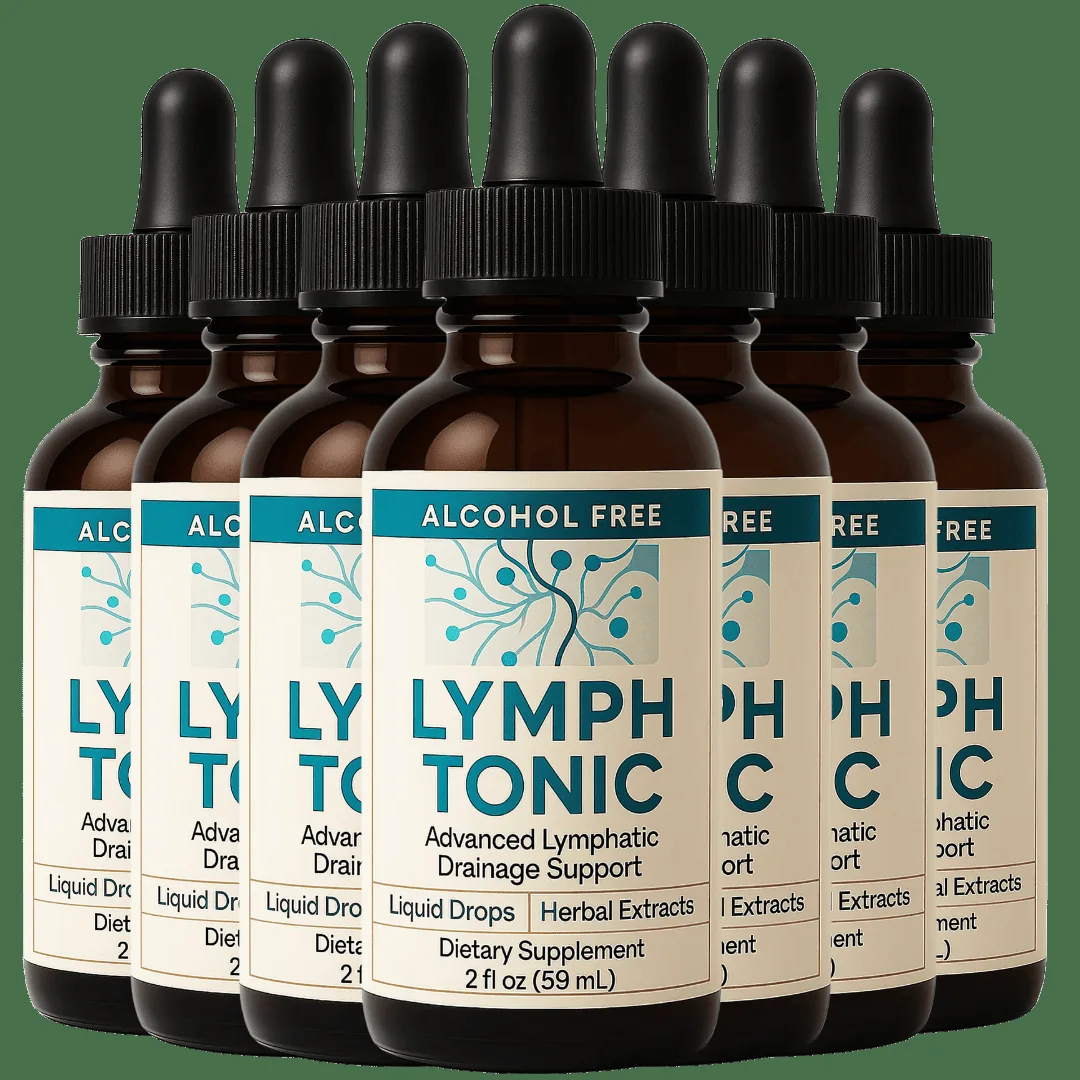
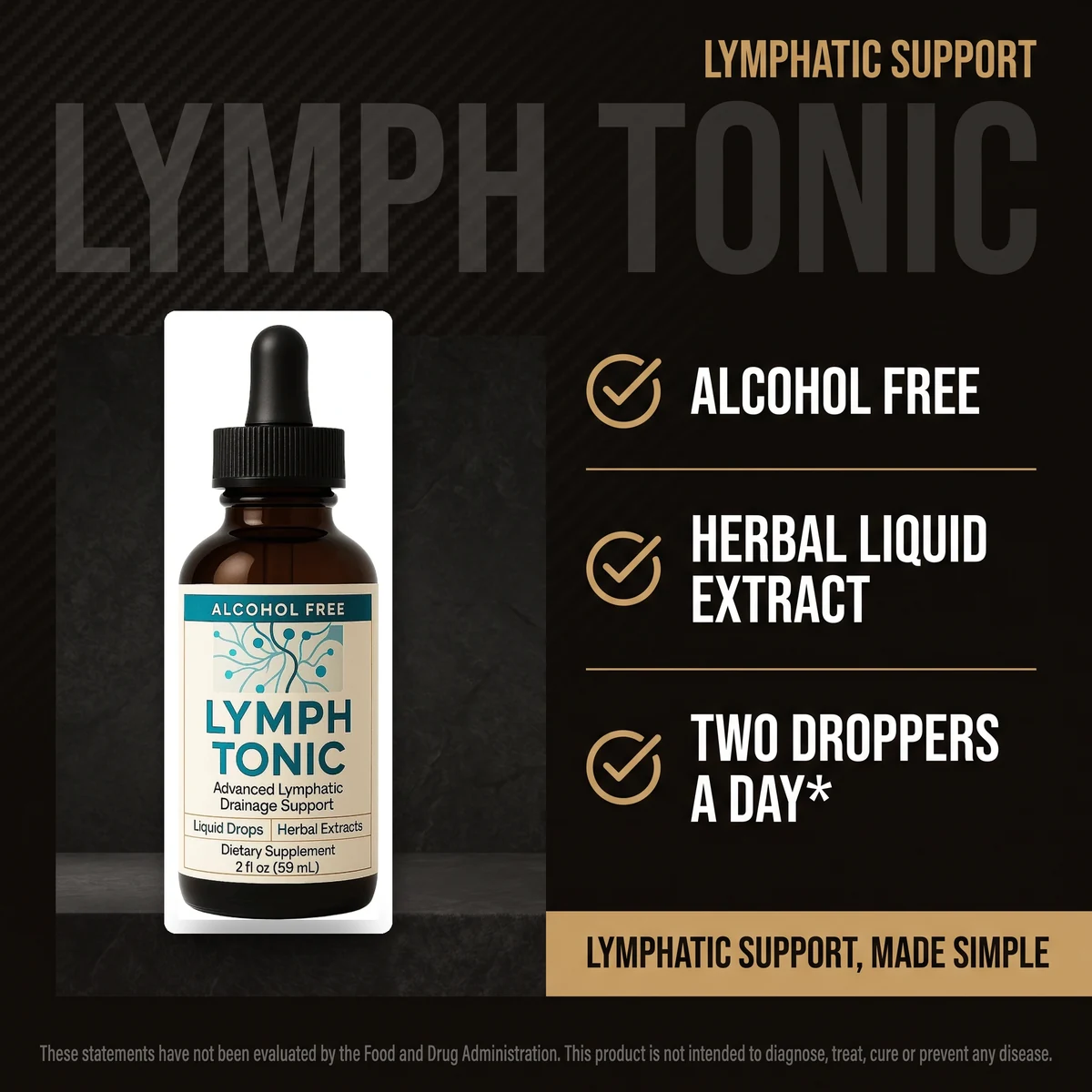
LymphTonic pairs standardised horse chestnut with twelve more circulation and drainage botanicals in one alcohol-free daily tonic — backed by a 60-day guarantee.
See LymphTonic Packages
Dosing context: what the research uses
Trials standardise horse chestnut to aescin, its principal triterpene saponin, rather than to raw seed weight. A pharmacology profile of aescin’s pharmacology and pharmacokinetics explains why that convention exists.
Because aescin is the measured active, horse chestnut is usually dosed by its aescin content rather than by raw milligrams of powder. In the clinical literature on leg comfort and venous support, standardised HCSE has typically been studied at around 300 mg of extract taken twice daily, providing roughly 50 mg of aescin twice a day — about 100 mg of aescin over the course of a day. That figure is useful as a reference point, not a prescription: a daily tonic that blends horse chestnut with other actives is designed for gentle, everyday support rather than to replicate a standalone clinical dose.
This is also why standardisation matters so much. Two products can both say "horse chestnut" on the front and deliver wildly different amounts of aescin. A label that states the aescin percentage lets you actually compare products; a label that just lists "horse chestnut extract" with no standardisation figure is asking you to take it on faith.
What to look for on the label
- Seed extract — it should say seed, not bark or leaf.
- Standardised to aescin — a stated percentage (often ~16–20%) so you know what you are getting.
- Esculin-free — confirmation the extract has been properly processed.
- Made to a recognised standard — produced in a GMP-certified facility, as LymphTonic is.
Where horse chestnut fits in a lymphatic formula
In a multi-botanical blend horse chestnut is the vessel-tone component rather than the whole story, and the NCCIH summary of horse chestnut is worth reading before combining it with anything else. It sits naturally beside the citrus flavonoid covered in the piece on hesperidin methyl chalcone and vein support, and beside the warming rhizome discussed in ginger extract for circulation and digestion.
Leg heaviness is rarely about one system in isolation. Your veins return blood, your lymphatic vessels clear the leftover fluid and waste, and both depend on toned vessels and steady movement. That overlap is exactly why horse chestnut appears alongside ingredients like gotu kola, hesperidin and quercetin in a lymphatic tonic — the goal is to support the whole fluid-handling network, not just one pipe in it.
Horse chestnut is the vein-tone specialist of the group. To see how it complements a connective-tissue botanical that works by a completely different mechanism, read our guide to gotu kola benefits for connective tissue and circulation. And because circulation and drainage are two halves of the same job, it is worth pairing this with our overview of the enzyme in the blend that supports smooth flow — what nattokinase is and how it supports healthy blood flow. If you would rather start with habits than ingredients, our primer on how to support lymphatic drainage naturally is the place to begin.
Safety and sensible expectations
Standardised, esculin-free horse chestnut seed extract is well tolerated by most people when used as directed. As with any botanical that touches circulation, if you are pregnant or breastfeeding, take prescription medication (especially blood thinners), have a kidney or liver condition, or are preparing for surgery, talk to your doctor before starting. Horse chestnut supports normal fluid balance and vein comfort — it is not a treatment for varicose veins, deep-vein thrombosis, or any medical condition, and persistent, painful or one-sided leg swelling should always be assessed by a clinician.
Set expectations the way you would for any botanical: it works gradually and rewards consistency. Horse chestnut is a support ingredient for everyday leg comfort and healthy circulation, best used alongside the basics — moving often, hydrating well, and not sitting still for hours at a stretch.
Frequently asked questions
What are the main horse chestnut extract benefits for legs?
Horse chestnut seed extract is traditionally used to support healthy vein tone and capillary integrity, which helps the body keep tissue fluid from pooling in the lower legs. That is why it has a long history of use for tired, heavy-feeling legs and everyday puffiness. It supports normal fluid balance and is not a treatment for any medical condition.
What is aescin and why does it matter?
Aescin (also spelled escin) is the family of triterpene saponins that makes horse chestnut work. Quality extracts are standardised to a set aescin percentage, commonly around 16 to 20 percent, so each dose delivers a predictable amount of the active. If a label does not mention aescin standardisation, you cannot compare its strength to anything.
Is horse chestnut safe to take?
Properly processed, esculin-free horse chestnut seed extract is well tolerated by most healthy adults when used as directed. Because it touches circulation, anyone who is pregnant or breastfeeding, on blood thinners or other medication, or preparing for surgery should check with a doctor first. Raw horse chestnut seeds should never be eaten.
How is horse chestnut dosed?
In the research on leg comfort, standardised extract has commonly been used at about 300 mg twice a day, delivering roughly 100 mg of aescin daily. A blended daily tonic like LymphTonic is designed for gentle everyday support rather than to copy a standalone clinical dose, which is why it combines horse chestnut with other complementary botanicals.
What should I look for on a horse chestnut label?
Look for four things: that it is a seed extract, that it is standardised to a stated aescin percentage, that it is confirmed esculin-free, and that it is made in a GMP-certified facility. Those markers separate a controlled, studied extract from generic plant powder.
- National Center for Complementary and Integrative Health. “Horse Chestnut.” NCCIH. nccih.nih.gov
- Pittler MH, Ernst E. “Horse chestnut seed extract for chronic venous insufficiency.” Cochrane Database of Systematic Reviews. ncbi.nlm.nih.gov
- Sirtori CR. “Aescin: pharmacology, pharmacokinetics and therapeutic profile.” Pharmacological Research. 2001. pubmed.ncbi.nlm.nih.gov
- National Cancer Institute. “Introduction to the Lymphatic System.” SEER Training Modules. training.seer.cancer.gov
† These statements have not been evaluated by the FDA. This product is not intended to diagnose, treat, cure or prevent any disease. This article is for general information only and is not medical advice.