Hesperidin Methyl Chalcone Benefits for Veins and Fluid Balance
| What it is | Hesperidin methyl chalcone (HMC) is a water-soluble derivative of the citrus bioflavonoid hesperidin, from the “vitamin P” family. |
| How it works | It is traditionally used to support capillary strength, vein tone and normal capillary permeability — how well small vessels hold fluid. |
| Label check | Look for it named specifically as hesperidin methyl chalcone, ideally beside other venotonics like horse chestnut. |
Hesperidin methyl chalcone benefits: the citrus bioflavonoid for vessels
When people think of oranges and lemons they think of vitamin C. But citrus fruit carries a second family of protective compounds in its peel and pith — the bioflavonoids — and one of the best known is hesperidin. The version that turns up in circulation and lymphatic formulas is a refined relative called hesperidin methyl chalcone, or HMC for short, and it is one of the thirteen actives in LymphTonic.
This guide covers the real hesperidin methyl chalcone benefits for veins and fluid balance: what HMC is, where it comes from, how it is thought to support capillaries and vein tone, why the “methyl chalcone” part matters, and what to look for on a label. If you have ever wondered why a detox tonic contains a citrus derivative, the answer is all about the plumbing that carries fluid around your body.
What is hesperidin methyl chalcone?
Hesperidin methyl chalcone is a water-soluble derivative of hesperidin, the flavanone that gives citrus peel its bitterness. A review of the chemistry and pharmacology of the citrus bioflavonoid hesperidin describes the parent compound and the chemical adjustments made to improve how it dissolves.
Hesperidin is the dominant flavonoid in sweet oranges and other citrus fruit, concentrated in the white pith and membranes rather than the juice. Along with related citrus flavonoids, it was historically grouped under the nickname “vitamin P” — the P standing for permeability — because early researchers noticed these compounds influenced how tiny blood vessels behaved. They are not actually vitamins, but the name stuck for decades and still hints at what they are known for.
The catch with plain hesperidin is solubility: it barely dissolves in water, which limits how it can be formulated and absorbed. Hesperidin methyl chalcone is a chemically modified, far more water-soluble version. That single change is why HMC shows up where hesperidin itself is awkward to use — in liquid supplements and in topical products aimed at the appearance of skin and small vessels. In a liquid tonic like LymphTonic, a water-soluble bioflavonoid is a much better fit than a stubborn, insoluble powder.
How HMC supports veins and capillaries
The vascular interest in citrus flavonoids centres on capillary permeability and venous tone rather than on blood pressure. A review of the effects of citrus flavonoids on the vascular system summarises what the human trials have and have not shown.
The traditional and studied role of citrus bioflavonoids centres on the smallest blood vessels: the capillaries. Capillaries are where fluid, oxygen and nutrients pass between blood and tissue, and where waste is collected for removal. For that exchange to stay healthy, capillary walls need to be both intact and appropriately “tight” — letting the right things through without leaking excess fluid into surrounding tissue. When capillaries become too permeable, fluid can pool, and tissues can feel heavy, puffy or swollen.
Hesperidin and its derivatives are traditionally used to help maintain normal capillary permeability and to support capillary and vein tone. In plain terms, they are associated with helping small vessels stay resilient and hold their contents properly. This is the same territory as the classic venotonic botanicals, which is exactly why HMC is paired with them. Our guide to horse chestnut extract for legs and circulation covers a botanical known for the very same capillary-and-vein-tone role, and reading the two side by side shows how a formula layers several vessel-supporting actives rather than relying on one.
There is a clear lymphatic angle, too. The lymphatic system is the body’s route for reclaiming fluid that filters out of the bloodstream into the tissues. When capillary permeability is well regulated, there is less excess fluid for the lymphatics to move in the first place — so ingredients that support capillary integrity work hand in hand with the drainage side of the story covered in how to support lymphatic drainage naturally.
Vessel support and drainage in one daily tonic
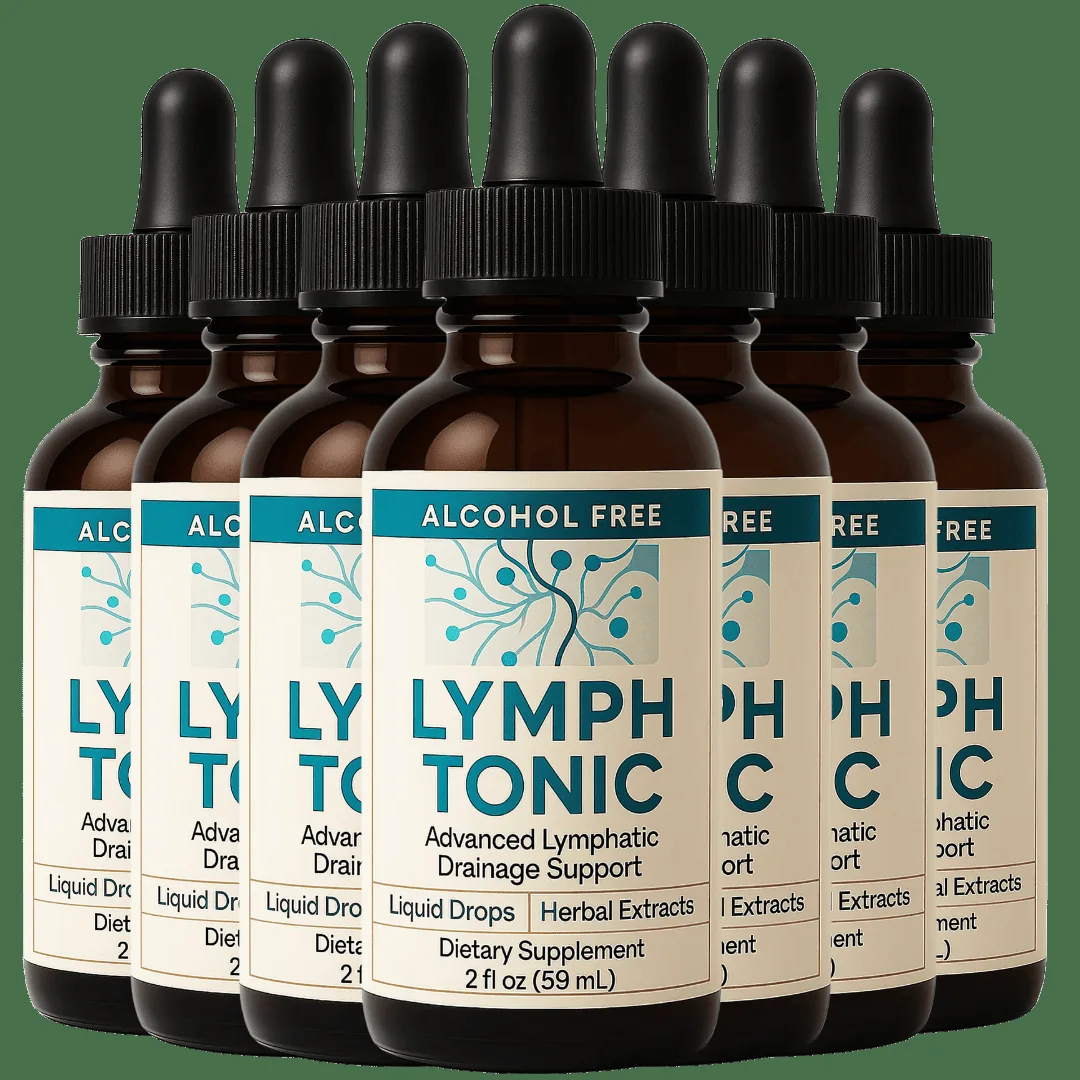
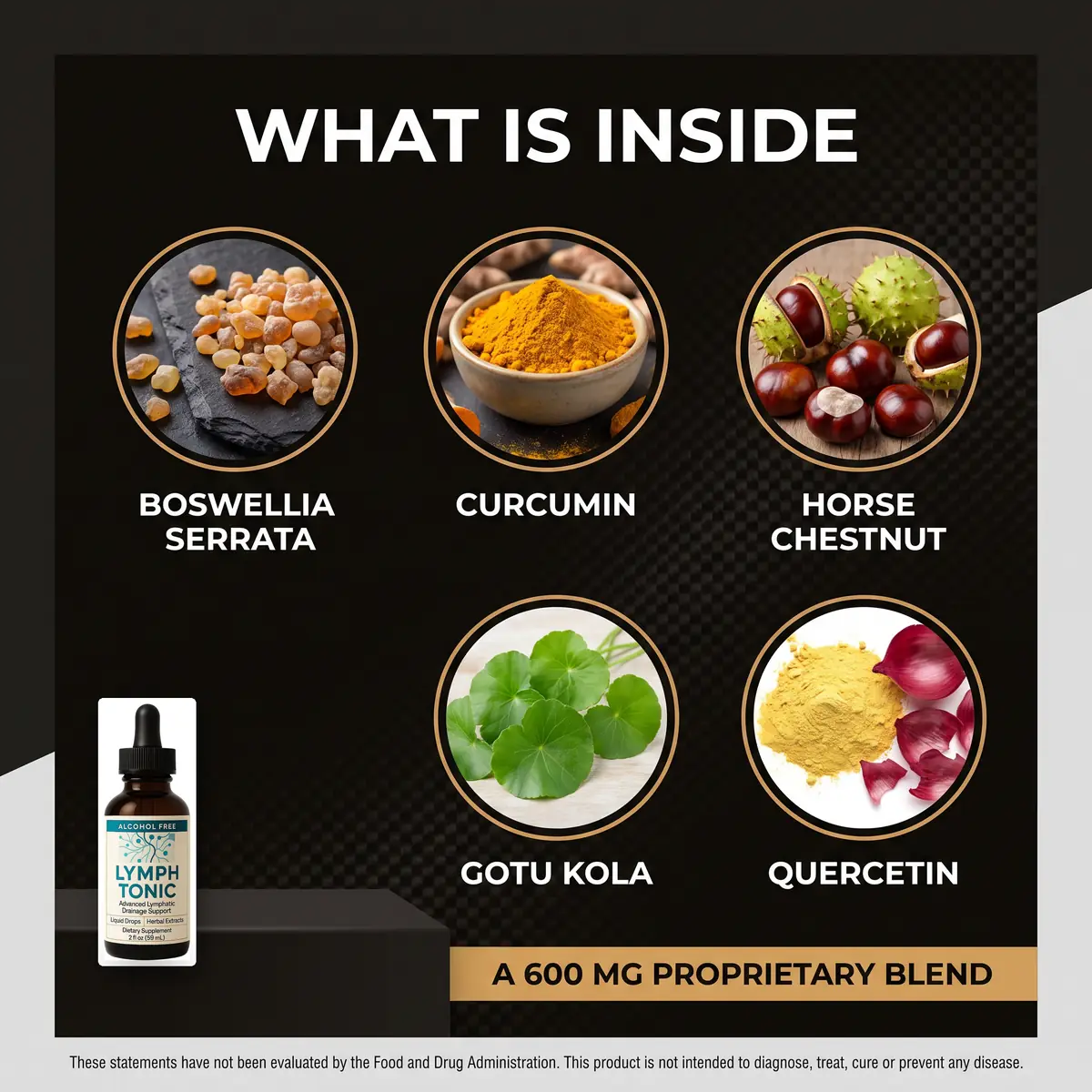
LymphTonic combines hesperidin methyl chalcone with horse chestnut, gotu kola, curcumin and nine more actives in an alcohol-free liquid — formulated for absorption and backed by a 60-day guarantee.
See LymphTonic Packages
Hesperidin methyl chalcone vs regular hesperidin
Plain hesperidin dissolves poorly, which is exactly the limitation the methyl chalcone form was made to address. A review of the health-promoting effects of the citrus flavanone hesperidin covers the parent molecule’s absorption behaviour and its metabolites.
The difference between the two forms is worth spelling out, because it explains why formulators reach for the methyl chalcone version:
- Regular hesperidin — the natural citrus flavonoid; poorly water-soluble, which limits how readily it dissolves and is taken up.
- Hesperidin methyl chalcone (HMC) — a modified, water-soluble derivative that is easier to formulate into liquids and topicals and to disperse for absorption.
This is a recurring theme across the whole LymphTonic formula: turning a promising but hard-to-use plant compound into a form the body can actually work with. Curcumin gets the black-pepper treatment, quercetin gets the phytosome treatment, and hesperidin gets the methyl-chalcone treatment. If the absorption problem interests you, our comparison of quercetin phytosome versus regular quercetin is the clearest worked example of the same idea from a different chemical angle.
Dosing context and how it is used
Citrus bioflavonoids, including hesperidin and its derivatives, appear across a broad range of doses in research and in traditional venotonic formulas, and they are almost always used as part of a combination rather than in isolation. HMC in particular has a long history in blended products aimed at vessel and fluid support, where it contributes the water-soluble bioflavonoid piece of the puzzle. Because these ingredients are typically combined, the useful question for a shopper is less “how many milligrams of HMC” and more “is this a sensible, well-rounded blend of vessel-supporting actives.”
What to look for on the label
- The specific name — “hesperidin methyl chalcone” or “HMC,” not just “citrus bioflavonoids.”
- Venotonic company — ideally alongside horse chestnut, gotu kola or diosmin-type ingredients, since vessel support works best in combination.
- A sensible format — HMC’s water solubility makes it well suited to a liquid, as in LymphTonic’s alcohol-free drops.

Safety notes
Citrus bioflavonoids like hesperidin are consumed in ordinary diets and are generally well tolerated. As with any concentrated supplement, if you are pregnant or breastfeeding, take prescription medication, or have a medical condition affecting your veins or circulation, check with your doctor before starting an HMC-containing product. Persistent, painful or one-sided leg swelling is not something a supplement should be used to self-treat — it warrants a medical assessment. This article is general information about a food-derived bioflavonoid, not medical advice, and hesperidin methyl chalcone is not intended to diagnose, treat, cure or prevent any disease.
Frequently asked questions
What is hesperidin methyl chalcone?
Hesperidin methyl chalcone (HMC) is a water-soluble derivative of hesperidin, the citrus bioflavonoid found in oranges and lemons. It belongs to the group of compounds once called “vitamin P,” and it is used in supplements and topicals for its traditional role in supporting healthy capillaries, vein tone and fluid balance.
What are the benefits of hesperidin methyl chalcone for veins?
As a citrus bioflavonoid, hesperidin methyl chalcone is traditionally used to support capillary strength and vein tone and to help maintain normal capillary permeability — how well tiny blood vessels hold fluid rather than letting it leak into surrounding tissue. This is why it is a natural partner for other venotonic botanicals in a circulation and lymphatic formula.
How is hesperidin methyl chalcone different from regular hesperidin?
Plain hesperidin is poorly water-soluble, which limits how easily it dissolves and is absorbed. Hesperidin methyl chalcone is a modified, more water-soluble form, which is one reason it appears in liquid formulas and topical products where solubility matters.
Is hesperidin methyl chalcone the same as vitamin P?
It is part of that historical group. Citrus bioflavonoids such as hesperidin were once collectively nicknamed “vitamin P” for their role in capillary health, though they are not technically vitamins. Hesperidin methyl chalcone is a derivative within that bioflavonoid family.
What does hesperidin methyl chalcone pair well with?
It complements other venotonic and circulation-supporting ingredients such as horse chestnut extract and gotu kola, and antioxidants like curcumin and quercetin. LymphTonic combines it with all of these in a single alcohol-free liquid.
- Garg A, et al. “Chemistry and pharmacology of the citrus bioflavonoid hesperidin.” Phytotherapy Research. 2001. pubmed.ncbi.nlm.nih.gov
- Li C, Schluesener H. “Health-promoting effects of the citrus flavanone hesperidin.” Critical Reviews in Food Science and Nutrition. 2017. pubmed.ncbi.nlm.nih.gov
- Martinez-Noguera FJ, et al. “Effects of citrus flavonoids on the vascular system: a review.” Nutrients / PMC. 2019. ncbi.nlm.nih.gov
- National Center for Complementary and Integrative Health. “Dietary and Herbal Supplements.” NCCIH. nccih.nih.gov
† These statements have not been evaluated by the FDA. This product is not intended to diagnose, treat, cure or prevent any disease. This article is for general information only and is not medical advice.