Gotu Kola Benefits for Connective Tissue and Circulation
| What it is | Gotu kola (Centella asiatica) is a leafy herb central to Ayurvedic and traditional Chinese practice, prized for connective tissue and circulation. |
| How it works | Its triterpene saponins — asiaticoside, madecassoside and their acids — are studied for supporting collagen, capillary integrity and healthy microcirculation. |
| Label check | Look for an aerial-parts extract standardised to total triterpenes (or asiaticoside), not plain leaf powder. |
Gotu kola benefits for connective tissue and circulation
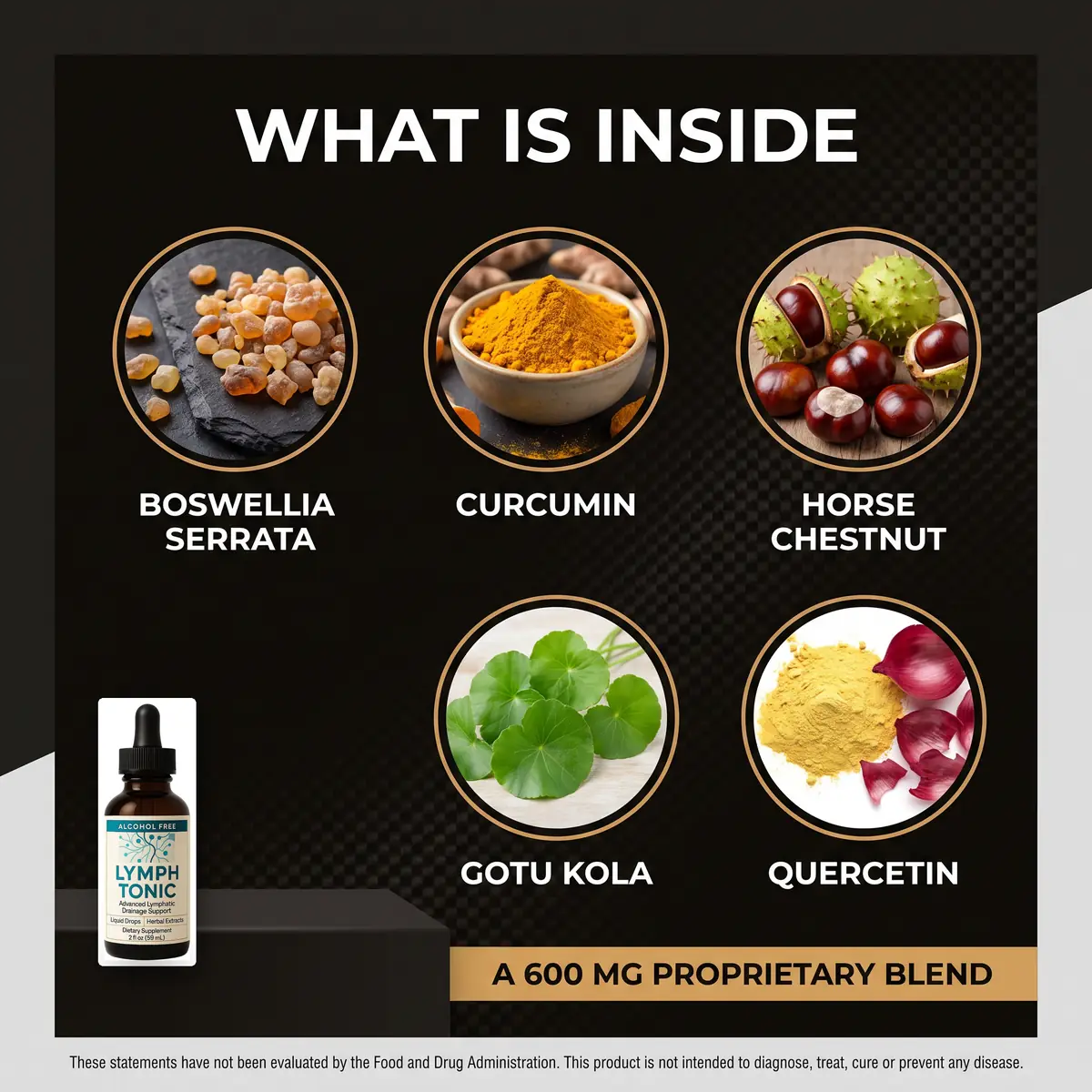
Some herbs have a single job. Gotu kola is not one of them. Across Ayurveda and traditional Chinese medicine it has been used for so long, and for so many things — skin and wound support, mental clarity, longevity, healthy veins — that it earned nicknames like "the herb of longevity." Strip away the folklore and a consistent theme remains, and it is the reason gotu kola appears in a modern lymphatic formula: its benefits for connective tissue and circulation. This guide explains what gotu kola is, the chemistry behind those benefits, how it differs from the other vessel-support herbs it is often paired with, and how to read a label. Gotu kola is one of the thirteen actives in LymphTonic.
What gotu kola is
Gotu kola is the common name for Centella asiatica, a small, creeping herb with fan-shaped leaves that grows in the wetlands of Asia. It is sometimes confused with kola nut because of the name, but the two are completely unrelated — gotu kola contains no caffeine. The parts used are the aerial portions (the leaves and stems), and the useful compounds are concentrated into a standardised extract for supplement use.
The active constituents are a group of triterpenoid saponins: chiefly asiaticoside and madecassoside, along with their corresponding acids, asiatic acid and madecassic acid. Together these are often described on labels as the "total triterpenic fraction." When you read research on gotu kola, these triterpenes are the compounds doing the work — which is exactly why a standardised extract matters so much more than raw leaf powder.
How gotu kola supports connective tissue
Gotu kola’s signature compounds are triterpenes — asiaticoside, madecassoside and their acids — which are studied for their effect on collagen synthesis in connective tissue. A pharmacological review of Centella asiatica gathers that literature in one place.
The most distinctive thing about gotu kola — and what sets it apart from the other circulation herbs in a blend — is its relationship with collagen and connective tissue. Collagen is the structural protein that gives strength and elasticity to skin, blood-vessel walls and the connective scaffolding throughout the body. Gotu kola's triterpenes have been studied for their role in supporting healthy collagen synthesis and the integrity of that connective-tissue framework.
Why does that matter for a lymphatic and circulation product? Because the walls of your veins, capillaries and lymphatic vessels are themselves connective-tissue structures. Supporting the collagen that keeps those walls firm and resilient is a foundational, structural kind of support — different from simply toning a vein or thinning the fluid inside it. Gotu kola is the connective-tissue builder of the group.
Feed your vessels at the foundation
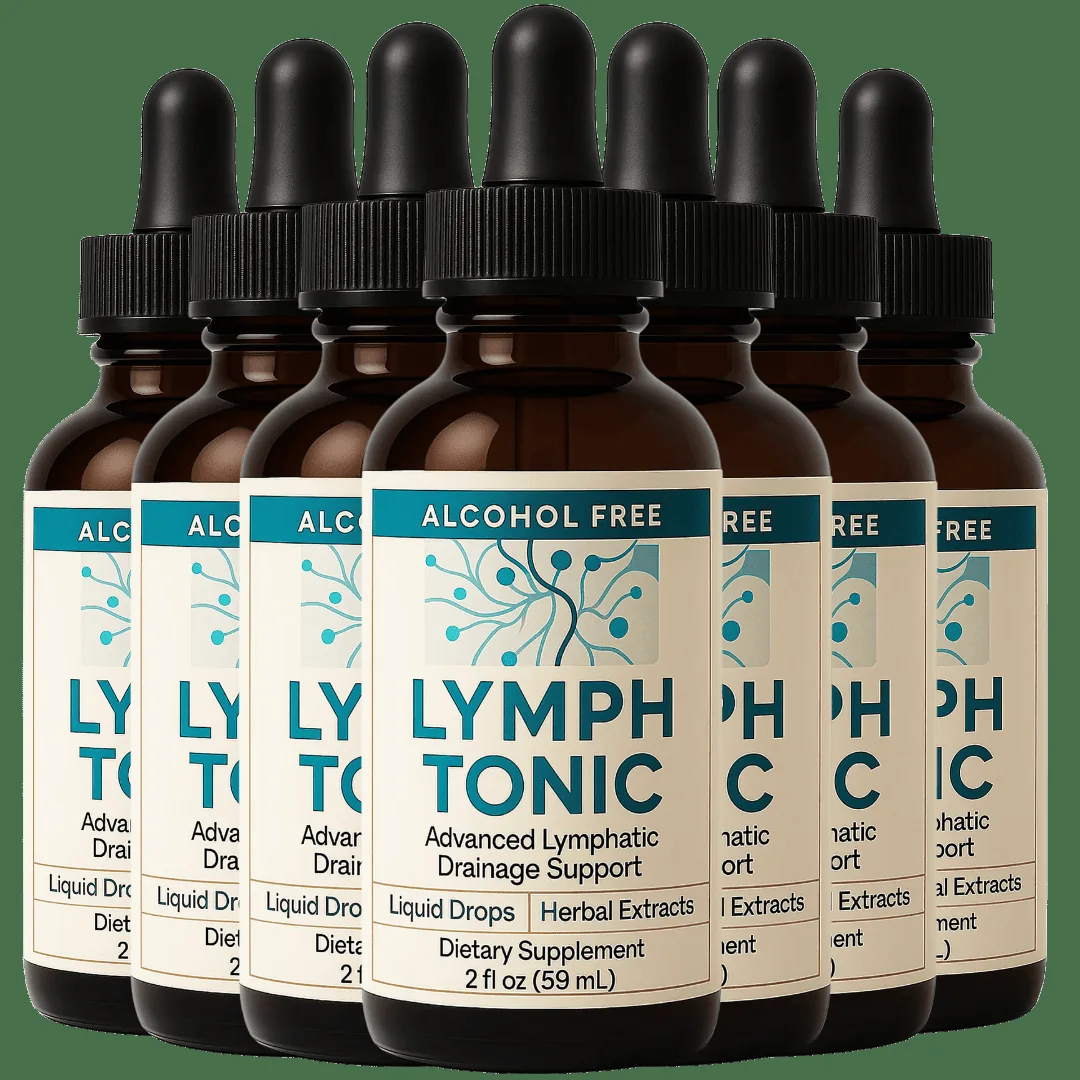
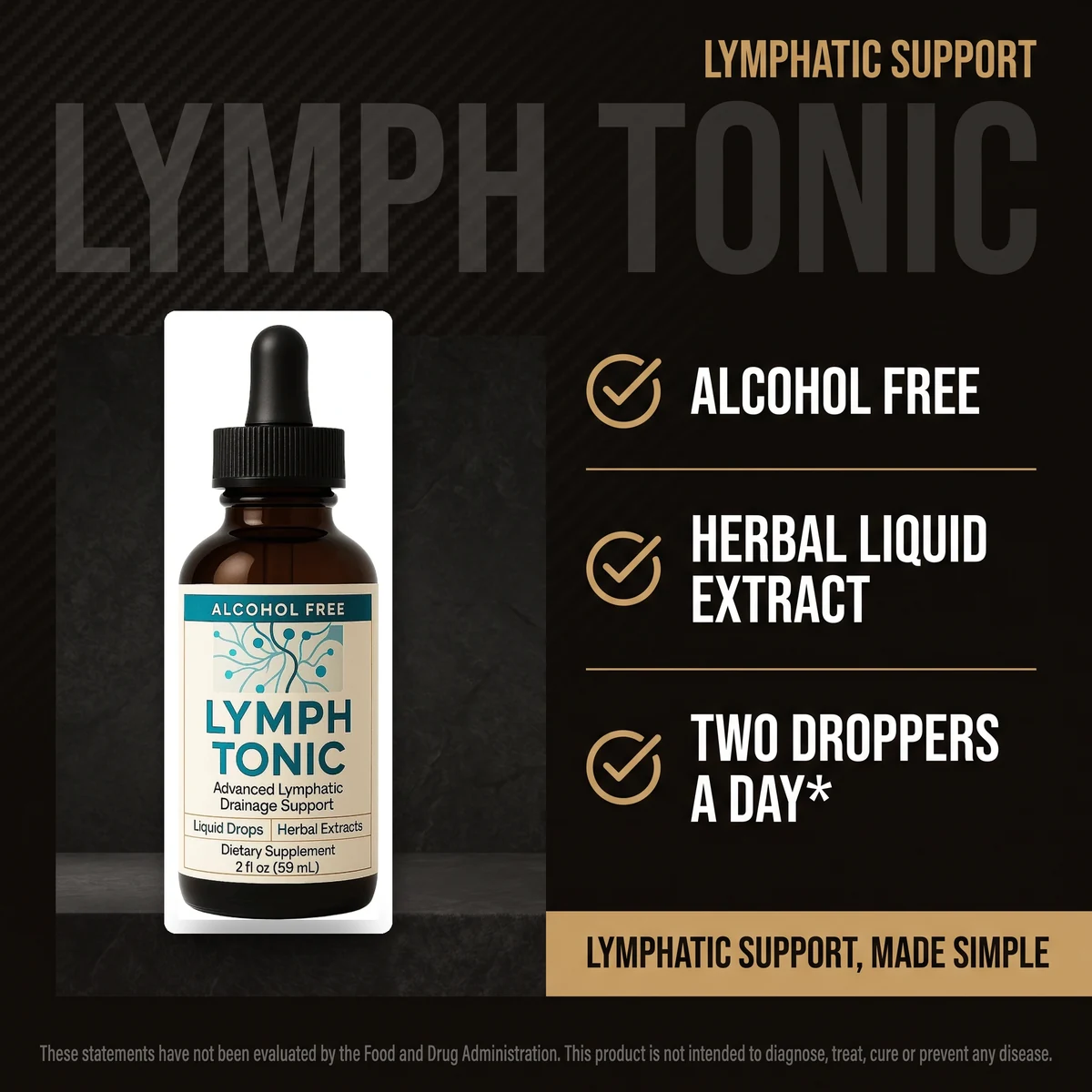
LymphTonic brings standardised gotu kola together with twelve more circulation and drainage botanicals in one alcohol-free daily tonic — backed by a 60-day guarantee.
See LymphTonic Packages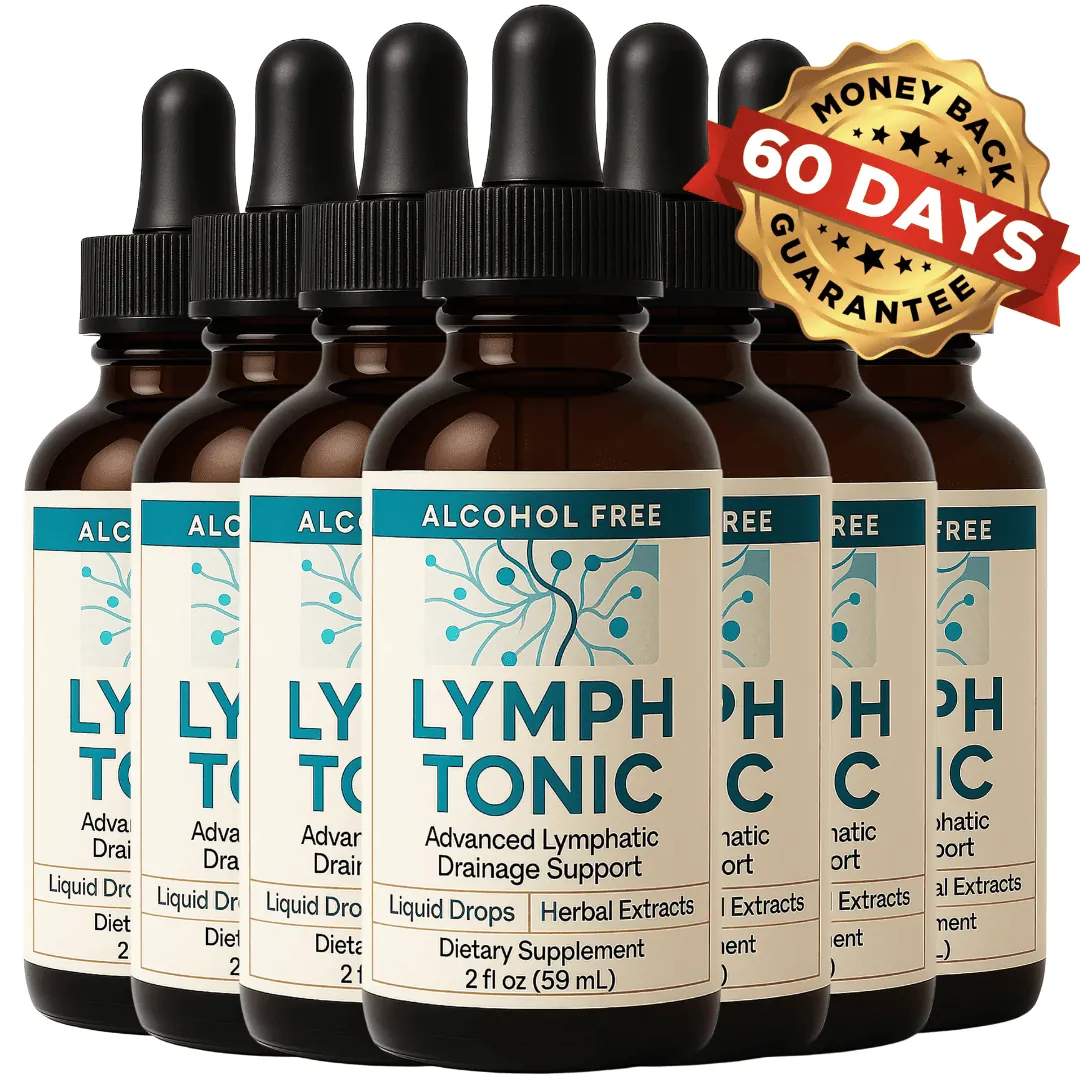
How gotu kola supports circulation and microcirculation
The vessel-wall interest in gotu kola comes largely from venous research. A systematic review of Centella asiatica for the signs and symptoms of chronic venous insufficiency found encouraging but methodologically limited trials — a useful reminder that “traditional use” and “proven” are different claims.
The connective-tissue story leads straight into the circulation story. Because gotu kola supports the integrity of vessel walls, it has a long traditional and research history in the context of venous tone and microcirculation — the flow through the smallest vessels in the legs and extremities. Extracts of Centella asiatica have been studied specifically for supporting comfort and healthy fluid balance in the legs, which is precisely the everyday complaint — heaviness, mild puffiness after long sitting — that a lymphatic tonic is designed to help with.
So gotu kola works on two connected levels at once: it supports the structural strength of the vessels themselves, and it supports healthy flow through them. That dual role is why it is such a natural partner to the more targeted vein-tone and enzyme ingredients in the same formula.
Dosing context and what to look for on the label
Standardised gotu kola extracts used in research are commonly concentrated to a set triterpene content — you will often see figures in the region of a "total triterpenic fraction" standardised extract, dosed at a few hundred milligrams per day. As always, a blended daily tonic is built for gentle, cumulative support rather than to reproduce a single-ingredient clinical dose. When comparing products, look for:
- Standardised to triterpenes — a stated percentage of total triterpenes or asiaticoside, not just "gotu kola powder."
- Aerial-parts extract — leaves and stems, the parts traditionally used.
- The correct plant — Centella asiatica, not an unrelated "kola" ingredient.
- Quality manufacturing — produced in a GMP-certified facility, as LymphTonic is.
How gotu kola fits alongside the other actives
The clearest way to appreciate gotu kola is to contrast it with its most common companion. Horse chestnut works mainly by toning slack veins through its saponin aescin; gotu kola works by supporting the collagen and connective tissue those vessels are built from. Different mechanisms, complementary goals — see our guide to horse chestnut extract benefits for legs and circulation to place them side by side. To round out the picture with the antioxidant side of the formula, our comparison of quercetin phytosome versus regular quercetin covers how the blend keeps a key flavonoid usable. And for the daily-habit foundation underneath all of it, read how to support lymphatic drainage naturally or visit the LymphTonic homepage.
A note on gotu kola's long traditional history
Outside circulation research, gotu kola is best known in skin science. An overview of Centella asiatica in dermatology describes the same triterpenes being used for wound healing and scar quality, which is the connective-tissue story from a different angle.
Part of what makes gotu kola interesting is how many separate traditions arrived at the same plant. In Ayurveda it is known as brahmi or mandukaparni and classed among the rasayana herbs used for rejuvenation and longevity; in traditional Chinese medicine it appears as a cooling, circulation-supporting herb; and across South and Southeast Asia the fresh leaves are simply eaten as a food. Modern standardised extracts are an attempt to capture the useful triterpenes from that long folk record in a consistent, measurable dose. It is worth keeping the two threads distinct: traditional use tells us how a plant has been valued for centuries, while standardisation and research tell us what a specific extract actually delivers. A well-made supplement respects both — honouring the traditional context while being honest that a botanical is a gentle support ingredient, not a cure for anything.
Safety and expectations
Gotu kola is generally well tolerated when used as directed in standardised amounts. Because it can interact with certain conditions and medications, those who are pregnant or breastfeeding, have liver concerns, or take prescription medication should check with a doctor first. Gotu kola supports connective tissue, healthy circulation and normal fluid balance as part of a balanced routine — it is not a medicine and is not intended to diagnose, treat, cure or prevent any disease. Like every botanical, it rewards steady, consistent use rather than one-off doses.
Frequently asked questions
What are the main gotu kola benefits?
Gotu kola is best known for supporting connective tissue and circulation. Its triterpene compounds are studied for supporting healthy collagen, the integrity of vessel walls, and healthy microcirculation, particularly in the legs. It supports normal connective tissue and fluid balance and is not a treatment for any medical condition.
Is gotu kola the same as kola nut?
No. Despite the similar name, gotu kola (Centella asiatica) is completely unrelated to the kola nut and contains no caffeine. Gotu kola is a leafy wetland herb used in Ayurvedic and traditional Chinese practice; the confusion is purely a matter of naming.
How does gotu kola help circulation?
Gotu kola supports the collagen and connective tissue that make up vein, capillary and lymphatic vessel walls, and it has a long history of use for venous tone and healthy microcirculation. By supporting both the structure of the vessels and the flow through them, it complements more targeted vein-tone ingredients.
What should I look for on a gotu kola label?
Look for an aerial-parts extract of Centella asiatica standardised to its total triterpenes or asiaticoside content, rather than plain leaf powder, and ideally made in a GMP-certified facility. Standardisation is what tells you the extract actually contains a meaningful amount of the active compounds.
Is gotu kola safe to take daily?
Standardised gotu kola is generally well tolerated when used as directed. Anyone who is pregnant or breastfeeding, has liver concerns, or takes prescription medication should consult a doctor before use. As with any botanical, it is designed for gentle, consistent daily support rather than large one-off doses.
- Gohil KJ, et al. “Pharmacological Review on Centella asiatica: A Potential Herbal Cure-all.” Indian J Pharm Sci. 2010. ncbi.nlm.nih.gov
- Bylka W, et al. “Centella asiatica in dermatology: an overview.” Phytotherapy Research. 2014. pubmed.ncbi.nlm.nih.gov
- Chong NJ, Aziz Z. “A Systematic Review of the Efficacy of Centella asiatica for Improvement of the Signs and Symptoms of Chronic Venous Insufficiency.” Evid Based Complement Alternat Med. 2013. ncbi.nlm.nih.gov
- National Center for Complementary and Integrative Health. “Herbs at a Glance.” NCCIH. nccih.nih.gov
† These statements have not been evaluated by the FDA. This product is not intended to diagnose, treat, cure or prevent any disease. This article is for general information only and is not medical advice.