D-Alpha Tocopherol vs Synthetic Vitamin E
| Natural | D-alpha tocopherol (RRR-alpha tocopherol) is the natural form — a single shape the body retains and uses efficiently. |
| Synthetic | DL-alpha tocopherol (all-rac) is synthetic — a mix of eight shapes, only one identical to the natural form. |
| Label check | One letter tells you everything: d- means natural; dl- means synthetic. LymphTonic uses natural d-alpha tocopherol. |
D-alpha tocopherol vs synthetic vitamin E: why one letter matters
Vitamin E is one of the oldest and best-understood antioxidants in nutrition, but its label names are a minefield of near-identical terms. D-alpha tocopherol, dl-alpha tocopherol, tocopheryl acetate, RRR-, all-rac- — they look interchangeable, and manufacturers rarely explain them. Yet the difference between two of these terms comes down to a single letter, and that letter tells you whether you are getting the natural form of vitamin E or a synthetic one. It is one of the most useful label-reading skills a supplement shopper can have.
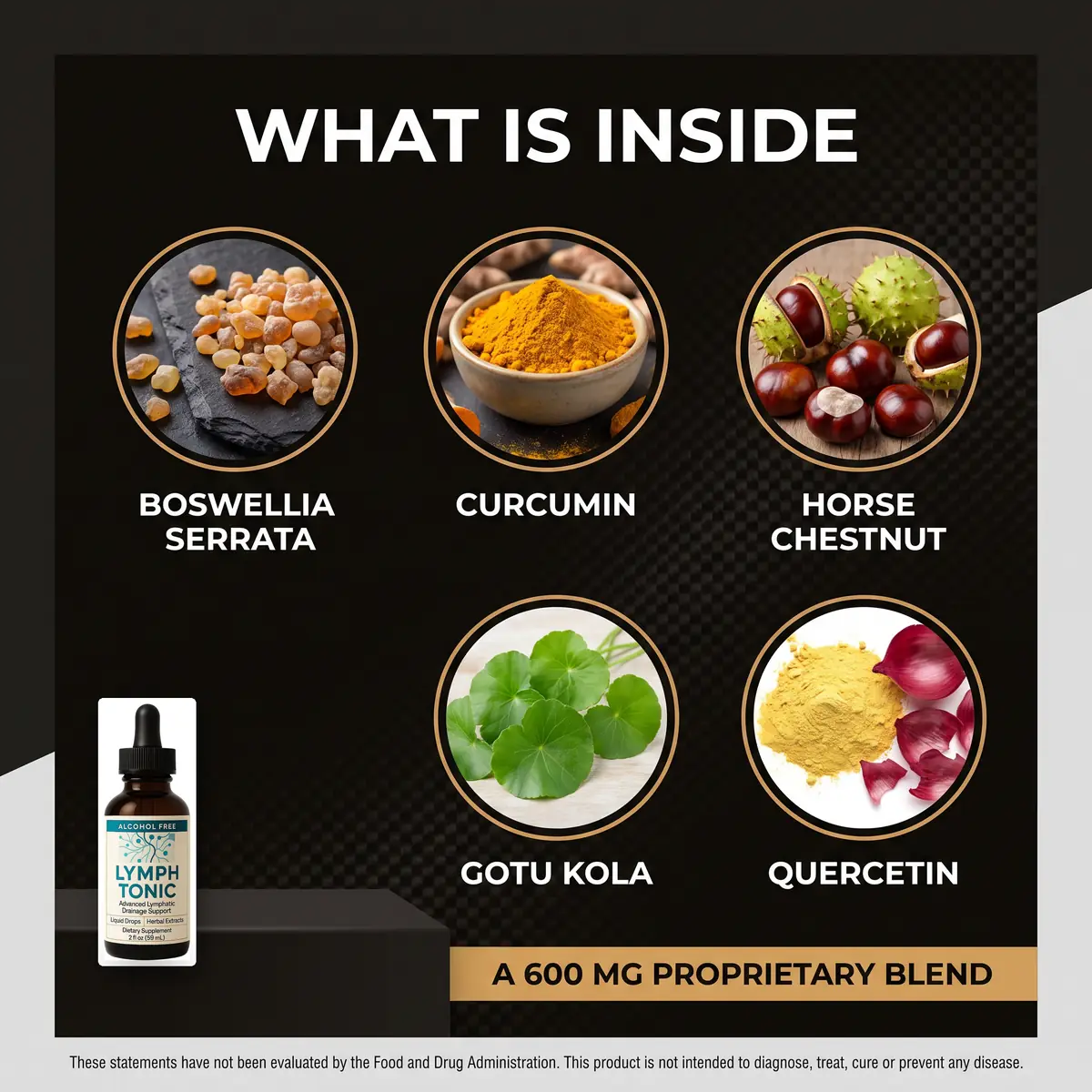
This guide breaks down d-alpha tocopherol vs synthetic vitamin E in plain language: what vitamin E actually is, why the natural and synthetic forms behave differently in the body, how to decode the names on any label, and why vitamin E belongs in a circulation and lymphatic formula in the first place. LymphTonic uses the natural d-alpha tocopherol form, and by the end you will understand exactly why that choice matters. Vitamin E is one of the thirteen actives in LymphTonic.
What is vitamin E, really?
“Vitamin E” is not one molecule but a family of eight fat-soluble compounds — four tocopherols and four tocotrienols — of which alpha-tocopherol is the form the human body preferentially retains. The NIH Office of Dietary Supplements sets that out in its vitamin E fact sheet for health professionals.
“Vitamin E” is not a single molecule but a family of eight related fat-soluble compounds — four tocopherols and four tocotrienols, each labelled alpha, beta, gamma or delta. Of these, alpha-tocopherol is the form the human body maintains and uses most actively, which is why it dominates supplements and why nutrient requirements are defined around it. When a label says vitamin E, it almost always means alpha-tocopherol in one form or another.
Vitamin E’s job is to be the body’s frontline fat-soluble antioxidant. Because it dissolves in fat, it embeds itself in cell membranes — the fatty envelopes around every cell — where it protects the delicate fats there from oxidative damage. That membrane-guarding role is the throughline behind everything vitamin E is known for.
Natural vs synthetic: the core difference
Natural d-alpha-tocopherol is a single stereoisomer; synthetic dl-alpha-tocopherol is a mixture of eight, only some of which the body handles efficiently. Traber’s account of vitamin E regulatory mechanisms explains why a liver transfer protein, not the gut, is what does the sorting.
Here is the crux. Alpha-tocopherol has a three-dimensional shape, and the natural and synthetic versions differ in that shape:
- Natural — d-alpha tocopherol (RRR-alpha tocopherol): made by plants, it exists as a single molecular configuration. This is the exact shape the body’s transport proteins are built to recognise and hold on to.
- Synthetic — dl-alpha tocopherol (all-rac-alpha tocopherol): made in a lab, it is an even mixture of eight different configurations (stereoisomers). Only one of those eight is identical to the natural form; the other seven are shapes the body does not handle as well.
Because the body preferentially recognises and retains the natural RRR shape, natural d-alpha tocopherol is more bioavailable — more of what you take is kept and put to use. This is not a marketing claim; it is baked into the official unit conversions. Regulators rate natural vitamin E as delivering more activity per milligram than the synthetic form, precisely because the body uses it more efficiently. That is the whole reason serious formulas specify the natural form.
How to read the label
The naming looks intimidating but follows a simple rule once you know it. Watch the prefix:
- d-alpha tocopherol or RRR-alpha tocopherol → natural.
- dl-alpha tocopherol or all-rac-alpha tocopherol → synthetic.
The same logic carries over to the ester forms, which are used because they are more stable on the shelf: d-alpha tocopheryl acetate is natural, while dl-alpha tocopheryl acetate is synthetic. In every case, a lone d- signals natural and dl- signals synthetic. It really is that one letter. LymphTonic’s label lists D-Alpha Tocopherol — the natural form.
Natural vitamin E, in a full antioxidant blend
LymphTonic delivers natural d-alpha tocopherol alongside curcumin, quercetin phytosome, baicalein and nine more actives in an alcohol-free liquid — formulated for absorption and backed by a 60-day guarantee.
See LymphTonic Packages
What vitamin E does in the body
Vitamin E’s best-characterised job is protecting polyunsaturated fats in cell membranes from chain-reaction oxidation. Work on the absorption, transport and tissue delivery of vitamin E describes how it is packaged with dietary fat and distributed — and it is the same membrane fats covered in the piece on omega-3 fatty acids and cell membranes that vitamin E is there to defend.
Vitamin E’s core role is antioxidant protection of fats. Cell membranes are built largely from fatty molecules that are vulnerable to a chain-reaction form of damage called lipid peroxidation; vitamin E steps in to interrupt that chain, protecting the membrane. Beyond that headline job, vitamin E supports healthy circulation and normal immune function, and it works cooperatively with other antioxidants — vitamin C, for instance, can help regenerate vitamin E after it has done its work.
That cooperative, network nature is why vitamin E rarely travels alone. In a formula built around antioxidants and circulation, it is a natural teammate for the polyphenols and flavonoids — the curcumin covered in curcumin and black pepper absorption, the skullcap flavonoid in baicalein, the skullcap flavonoid antioxidant, and the highly-absorbable form of quercetin discussed in quercetin phytosome versus regular quercetin. Layering fat-soluble and water-soluble antioxidants covers more of the body than any single nutrient could.
Why vitamin E belongs in a lymphatic formula
A lymphatic and detox tonic is, at heart, about supporting the body’s own maintenance systems — and cellular protection is part of that maintenance. Vitamin E’s membrane-guarding role and its support for circulation both map neatly onto a formula focused on flow, drainage and cellular resilience. For the everyday habits behind that whole picture, see how to support lymphatic drainage naturally, or return to the LymphTonic homepage.
There is a second, more practical reason vitamin E is in the bottle. As a fat-soluble antioxidant, it also helps protect the other oil-loving ingredients in the blend — the curcumin, the omega-3s, the boswellic acids — from oxidising on the shelf. Vitamin E is doing double duty: supporting your cells, and helping keep the rest of the formula fresh and stable.
What to look for on the label
- The d- prefix — “d-alpha tocopherol” or “RRR-alpha tocopherol” for the natural, more bioavailable form.
- Avoid the dl- if you want natural — “dl-alpha tocopherol” or “all-rac” signals the synthetic form.
- Good antioxidant company — vitamin E alongside complementary antioxidants, as in LymphTonic’s blend, rather than in isolation.
Safety notes
Vitamin E is an essential nutrient and is safe at the levels found in food and typical supplements. Very high-dose vitamin E supplementation, well above everyday intakes, is a different matter and can affect bleeding risk — so if you take blood-thinning medication, are approaching surgery, or are considering high-dose vitamin E, check with your doctor first. This article is general information about a nutrient, not medical advice, and vitamin E is not intended to diagnose, treat, cure or prevent any disease.
Frequently asked questions
What is the difference between d-alpha tocopherol and dl-alpha tocopherol?
D-alpha tocopherol is the natural form of vitamin E, made of a single molecular shape the body recognises well. DL-alpha tocopherol is synthetic and is a mixture of eight different shapes, only one of which is identical to the natural form. Because of that, natural d-alpha tocopherol is retained and used by the body more efficiently, which is why labels distinguish the two.
Is natural vitamin E better than synthetic?
The natural form, d-alpha tocopherol, is more biologically available than the synthetic dl- form — the body preferentially holds on to it. That is why international-unit conversions rate natural vitamin E higher per milligram. Both are recognised forms of vitamin E, but the natural form is generally considered the higher-quality choice.
How do I tell natural from synthetic vitamin E on a label?
Read the prefix. Natural vitamin E is written d-alpha tocopherol (or RRR-alpha tocopherol). Synthetic vitamin E is written dl-alpha tocopherol (or all-rac-alpha tocopherol). A single d- means natural; dl- means synthetic. The same logic applies to the ester forms like tocopheryl acetate.
What does vitamin E do in the body?
Vitamin E is the body’s main fat-soluble antioxidant. It sits within cell membranes and helps protect the fats there from oxidative damage, and it supports healthy circulation and normal immune function. In a supplement it also helps protect other fat-soluble ingredients from oxidising. It is an essential nutrient, not a drug.
Why is vitamin E in a lymphatic and detox supplement?
As a fat-soluble antioxidant, vitamin E protects cell membranes and supports circulation — both relevant to a formula focused on drainage, flow and cellular protection. It also helps keep the other oil-loving botanicals in the blend stable. LymphTonic uses the natural d-alpha tocopherol form.
- National Institutes of Health, Office of Dietary Supplements. “Vitamin E — Health Professional Fact Sheet.” NIH ODS. ods.od.nih.gov
- Linus Pauling Institute, Oregon State University. “Vitamin E.” Micronutrient Information Center. lpi.oregonstate.edu
- Traber MG. “Vitamin E regulatory mechanisms.” Annual Review of Nutrition. 2007. pubmed.ncbi.nlm.nih.gov
- Rigotti A. “Absorption, transport, and tissue delivery of vitamin E.” Molecular Aspects of Medicine. 2007. pubmed.ncbi.nlm.nih.gov
† These statements have not been evaluated by the FDA. This product is not intended to diagnose, treat, cure or prevent any disease. This article is for general information only and is not medical advice.