Quercetin Phytosome vs Regular Quercetin
| The issue | Regular quercetin is a powerful flavonoid antioxidant, but it dissolves and absorbs so poorly that much of a plain dose passes straight through. |
| The upgrade | Quercetin phytosome wraps quercetin in phospholipids so the body can absorb far more of it — studies report roughly a 20-fold increase over standard quercetin. |
| Label check | Look for the word phytosome (or a named branded form) rather than plain "quercetin" or "quercetin dihydrate." |
Quercetin phytosome vs regular quercetin
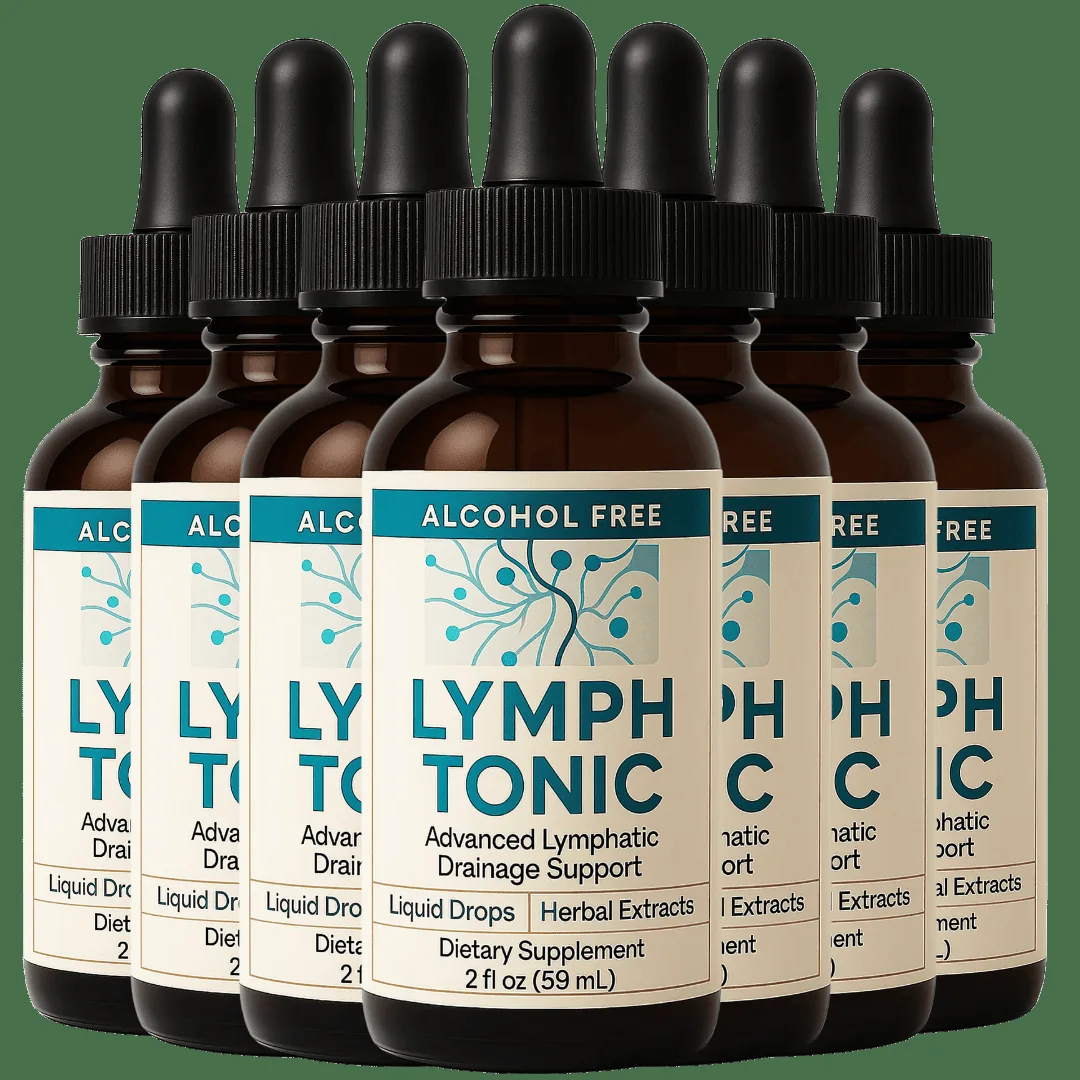
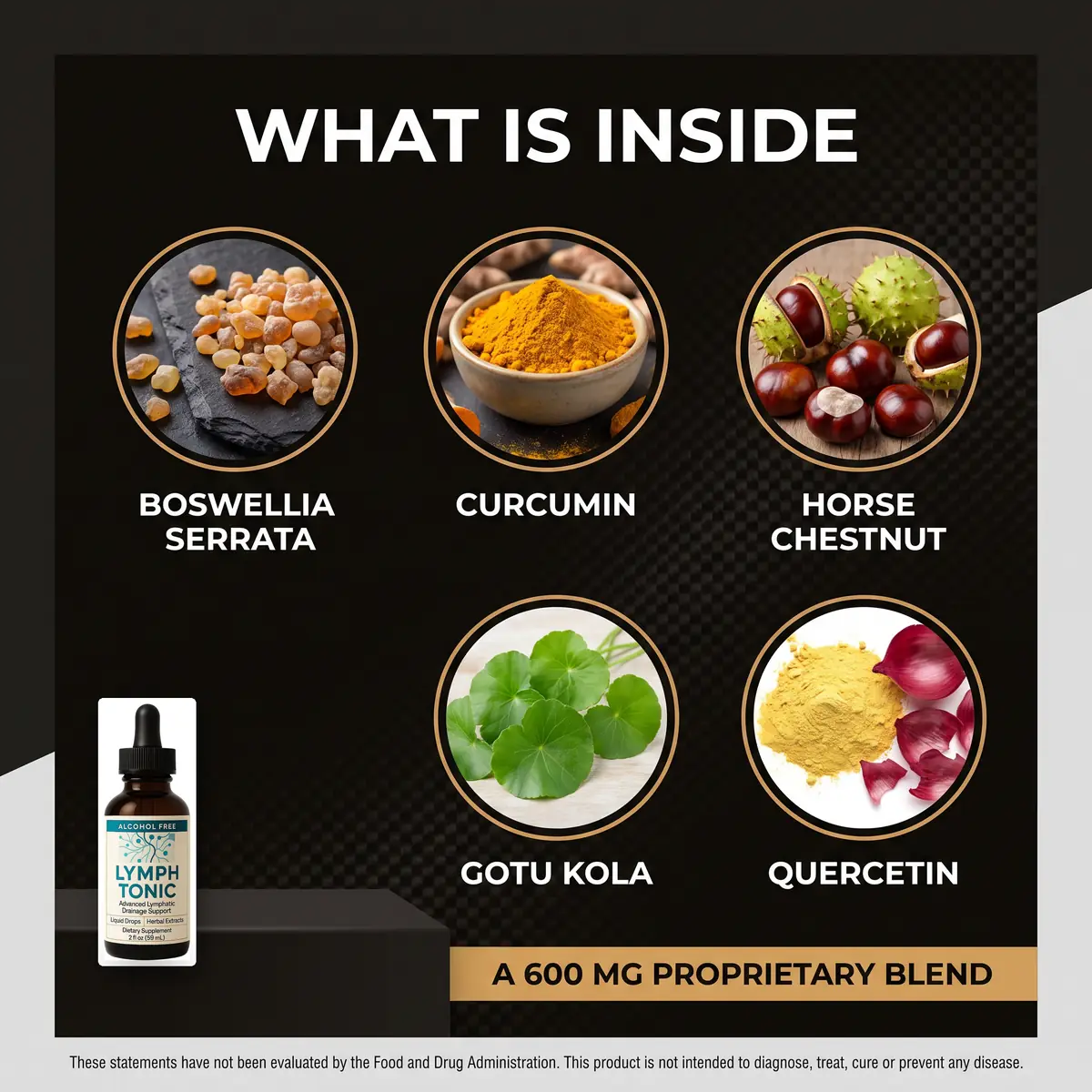
Quercetin is one of the most popular antioxidants in the supplement aisle, and for good reason — it is a genuinely useful flavonoid with a strong research base. But if you compare two quercetin products, one labelled "quercetin phytosome" and one labelled plain "quercetin," you are not looking at the same thing at a different price. You are looking at two forms with a dramatic difference in how much your body can actually absorb. This guide breaks down quercetin phytosome vs regular quercetin: what quercetin does, why the plain form is so poorly absorbed, how phytosome technology fixes that, and how to tell the two apart on a label. Quercetin is included in LymphTonic specifically in its more absorbable phytosome form.
What quercetin does
Quercetin is a flavonol found in onions, apples and capers, studied mainly for its effects on mast-cell mediators and inflammatory signalling. A review of quercetin, inflammation and immunity sets out that pharmacology and where it has been tested in people.
Quercetin is a plant flavonoid found in foods like onions, apples, capers and leafy greens. As an antioxidant it helps defend cells against everyday oxidative stress. It is also widely studied for its role in supporting a balanced histamine and inflammatory response — quercetin is often described as a natural mast-cell stabiliser, which is why it shows up in seasonal-wellness and immune formulas. In a lymphatic and detox context, that balanced-response support is the relevant angle: the lymphatic system is deeply involved in immune housekeeping, so an antioxidant that helps keep the body's response calm and measured is a sensible companion.
All of that potential, however, depends entirely on one thing: getting quercetin into your bloodstream. And that is exactly where plain quercetin falls down.
Why regular quercetin is poorly absorbed
Plain quercetin aglycone is close to insoluble in water and heavily metabolised on first pass, so a large oral dose can still produce a small blood level. A review of the health effects of quercetin, from antioxidant to nutraceutical discusses that gap between dose and exposure.
Regular quercetin — usually sold as quercetin aglycone or quercetin dihydrate powder — has a stubborn problem: it is very poorly soluble in water. Because your digestive tract is a watery environment, a compound that will not dissolve is a compound the gut struggles to take up. The result is low bioavailability: a large share of a standard quercetin dose is simply not absorbed and passes through without ever reaching your cells. You can take a big number of milligrams and still deliver very little usable quercetin to the body.
This is the same broad category of problem that affects curcumin, and the supplement industry has developed a few different technologies to solve it. For quercetin, the leading solution is the phytosome.
Get the absorbable form
LymphTonic uses quercetin in its phytosome form, alongside twelve more circulation and drainage actives, in one alcohol-free daily tonic — backed by a 60-day guarantee.
See LymphTonic Packages
What a phytosome is and how it fixes absorption
A phytosome pairs the flavonoid with food-grade phospholipid so it travels with fat rather than fighting water. A pharmacokinetic study of improved oral absorption of quercetin from a quercetin phytosome measured that difference directly in human volunteers.
A phytosome is a plant compound bound to phospholipids — the same fat-loving molecules that make up your own cell membranes (phosphatidylcholine is a common one). By complexing quercetin with phospholipids, a phytosome effectively gives the poorly-soluble flavonoid a fat-friendly escort that the gut can absorb far more readily. Instead of refusing to dissolve and passing through, the quercetin is carried across the intestinal lining much more efficiently.
The difference is not subtle. Research on quercetin phytosome formulations has reported bioavailability increases on the order of 20 times compared with the same amount of standard quercetin. Put simply, a smaller dose of the phytosome form can deliver more usable quercetin than a much larger dose of the plain powder. That is the entire point of the technology: not a bigger number on the label, but more of the active actually reaching your bloodstream.
Quercetin phytosome vs regular quercetin at a glance
- Solubility: regular quercetin barely dissolves; the phytosome's phospholipid complex is far more absorbable.
- Bioavailability: phytosome forms have shown roughly a 20-fold advantage in studies.
- Effective dose: you need much less of the phytosome form to deliver the same usable amount.
- Label wording: look for "phytosome" or a named branded form, versus plain "quercetin" or "quercetin dihydrate."
The phospholipid connection inside the formula
There is a neat piece of formulation logic worth noticing here. LymphTonic includes phosphatidylcholine — a phospholipid — as one of its actives, and phospholipids are exactly the class of molecule that makes phytosome delivery work. A formula that pairs a phytosome-form flavonoid with supportive phospholipids is one that has clearly been designed with absorption in mind, rather than just stacking raw milligrams and hoping for the best.
What to look for on the label
- The form, spelled out — "quercetin phytosome" or a recognised branded phytosome, not just "quercetin."
- A sensible dose for the form — remember that phytosome doses look smaller because they are more absorbable.
- Supportive delivery — phospholipids in the formula, as in LymphTonic, reinforce the phytosome approach.
- Quality manufacturing — a GMP-certified facility.
How this connects to the rest of the blend
Phytosome delivery is one of two absorption strategies in this formula. The other is the piperine route used for curcumin, which solves the same problem by a completely different mechanism — see curcumin and black pepper: why piperine boosts absorption to compare the two head to head. To understand the structural, connective-tissue side of the formula, read gotu kola benefits for connective tissue and circulation. And to ground all of this in daily practice, our guide to how to support lymphatic drainage naturally covers the habits that make any supplement work harder — or head back to the LymphTonic homepage.
Safety and expectations
Quercetin is well tolerated by most people at typical supplement amounts. Those who are pregnant or breastfeeding, have kidney concerns, or take prescription medication should check with a doctor before adding a concentrated quercetin supplement, as it can interact with how some medications are processed. Quercetin supports antioxidant defence and a balanced histamine and inflammatory response as part of a balanced routine — it is not a medicine and is not intended to diagnose, treat, cure or prevent any disease. Choosing the phytosome form simply means more of what you take is likely to reach your bloodstream.
Frequently asked questions
What is the difference between quercetin phytosome and regular quercetin?
Regular quercetin is poorly soluble and poorly absorbed, so much of a plain dose passes through unused. Quercetin phytosome binds the flavonoid to phospholipids that the gut can absorb far more easily, which studies have shown can increase bioavailability by roughly 20 times. The phytosome form delivers more usable quercetin from a smaller dose.
Is quercetin phytosome worth it?
If absorption is the goal, yes. Because plain quercetin is so poorly absorbed, a large milligram count on the label can still deliver very little to your bloodstream. The phytosome form is designed to get more of the active where it needs to go, which is why quality formulas like LymphTonic use it rather than plain quercetin powder.
What does quercetin do in the body?
Quercetin is a flavonoid antioxidant that helps defend cells against oxidative stress and is studied for supporting a balanced histamine and inflammatory response, which is why it appears in seasonal-wellness and immune products. It supports normal antioxidant and immune balance and is not intended to treat any disease.
How can I tell if a product uses the phytosome form?
Read the ingredient line closely. A phytosome product will say 'quercetin phytosome' or name a recognised branded phytosome form, while a standard product will just list 'quercetin' or 'quercetin dihydrate.' The presence of supportive phospholipids in the formula is another good sign the product was built for absorption.
Why does LymphTonic include phosphatidylcholine with quercetin?
Phosphatidylcholine is a phospholipid, and phospholipids are exactly the class of molecule that makes phytosome delivery work. Pairing a phytosome-form flavonoid with supportive phospholipids reflects a formula designed around absorption rather than one that simply stacks raw milligrams.
- Riva A, et al. “Improved Oral Absorption of Quercetin from Quercetin Phytosome, a New Delivery System Based on Food Grade Lecithin.” Eur J Drug Metab Pharmacokinet. 2019. pubmed.ncbi.nlm.nih.gov
- Li Y, et al. “Quercetin, Inflammation and Immunity.” Nutrients. 2016. ncbi.nlm.nih.gov
- Boots AW, et al. “Health effects of quercetin: From antioxidant to nutraceutical.” Eur J Pharmacol. 2008. pubmed.ncbi.nlm.nih.gov
- National Center for Complementary and Integrative Health. “Antioxidants: In Depth.” NCCIH. nccih.nih.gov
† These statements have not been evaluated by the FDA. This product is not intended to diagnose, treat, cure or prevent any disease. This article is for general information only and is not medical advice.