Omega-3 Fatty Acids Benefits for Cell Membranes and Lymph
| What they are | Omega-3 fatty acids are essential fats — mainly EPA and DHA — that the body must obtain from the diet. |
| How they work | They are built into cell membranes to keep them fluid, and converted into resolvins that help the body settle its inflammatory response. |
| Label check | Read the combined EPA + DHA per serving, not just the total fish-oil weight, and look for a stated form and purity testing. |
Omega-3 fatty acids benefits: the fats your cells are built from
Of all the nutrients on a supplement label, few are as fundamental as the omega-3 fatty acids. They are not an accessory the body can take or leave; they are structural. Every one of your roughly thirty-seven trillion cells is wrapped in a membrane, and the quality of that membrane depends heavily on the fats you eat. Feed the body a steady supply of omega-3s and those membranes stay supple and responsive. Starve it of them and the body substitutes stiffer fats, changing how cells communicate and how freely materials move across their walls.
This guide explains the real omega-3 fatty acids benefits in plain language: what these fats are, how EPA and DHA work at the level of the cell membrane, the elegant way the body turns them into inflammation-resolving signals, and why they belong in a formula built around lymphatic drainage and detox support. Omega-3s are one of the thirteen actives in LymphTonic, and understanding them makes the whole blend make more sense.

What omega-3 fatty acids actually are
Fatty acids are the long carbon chains that make up dietary fats. What makes a fat an “omega-3” is simply where the first double bond sits along that chain — three carbons in from the tail end, the omega end. That small structural detail changes everything about how the molecule behaves: omega-3s are polyunsaturated, meaning they have several kinks in their chain, and those kinks keep them liquid and flexible even at body temperature.
There are three omega-3s worth knowing by name. ALA (alpha-linolenic acid) is the short-chain, plant-based form found in flaxseed, chia and walnuts. EPA (eicosapentaenoic acid) and DHA (docosahexaenoic acid) are the long-chain marine forms the body uses most directly. The body can stretch a little ALA into EPA and DHA, but the conversion is famously inefficient — often only a few percent — which is why nutrition researchers treat direct EPA and DHA as the meaningful forms. They are classed as essential fatty acids for a simple reason: your body cannot manufacture them from scratch, so they must come in through food or a supplement.
How omega-3s build and protect cell membranes
Long-chain omega-3s are structural: incorporated into phospholipids, they change how fluid and how organised a membrane is. Work on polyunsaturated fatty acids, membrane organization, T cells and antigen presentation shows those physical changes altering how immune cells behave.
Here is the mechanism that matters most. A cell membrane is a double layer of fat molecules — a phospholipid bilayer — that forms the border between the inside of a cell and the world outside it. That border is not a dead wall; it is a bustling, fluid mosaic studded with receptors, channels and pumps. When the diet is rich in DHA in particular, those long, flexible omega-3 chains are slotted into the membrane, and they keep it fluid, elastic and responsive.
Membrane fluidity is not an abstract idea. A supple membrane lets receptors change shape to catch incoming signals, lets nutrients and oxygen cross into the cell, and lets waste pass back out. Red blood cells with flexible membranes bend more easily to squeeze through the narrowest capillaries. In short, the quality of your membranes shapes how well your tissues are fed, cleared and coordinated — and omega-3s are among the raw materials that quality is built from. This is the same membrane logic behind the phospholipid phosphatidylcholine, which we cover in its own guide: healthy fats in, healthy membranes out.
The resolvin pathway: how omega-3s help calm inflammation
Resolution of inflammation is now understood as an active process with its own signalling molecules, several of them built from EPA and DHA. Serhan’s account of pro-resolving lipid mediators in resolution physiology is the standard reference for that shift in thinking.
The second half of the omega-3 story is one of the more elegant discoveries in modern nutrition. For a long time inflammation was pictured as something the body only needed to switch off. We now know it is actively resolved — wound down on purpose by a dedicated family of signalling molecules. And the body builds many of those resolution signals directly out of omega-3 fatty acids.
EPA and DHA are the raw material for a class of compounds called specialised pro-resolving mediators — the resolvins, protectins and maresins. Where some signals raise the alarm, these are the molecules that call the response back to baseline once the job is done. By supplying the body with plenty of EPA and DHA, an omega-3-rich diet gives it the building blocks to complete that resolution phase cleanly, rather than leaving an inflammatory response simmering. This is a genuinely different mechanism from the enzyme-blocking route of a botanical like boswellia — you can read how that one works in our guide to boswellia serrata and boswellic acids — and the two approaches complement each other well. The compliant, honest way to describe all of this is that omega-3s help the body keep its own inflammatory response in balance.
Omega-3s, in good company, in one daily tonic
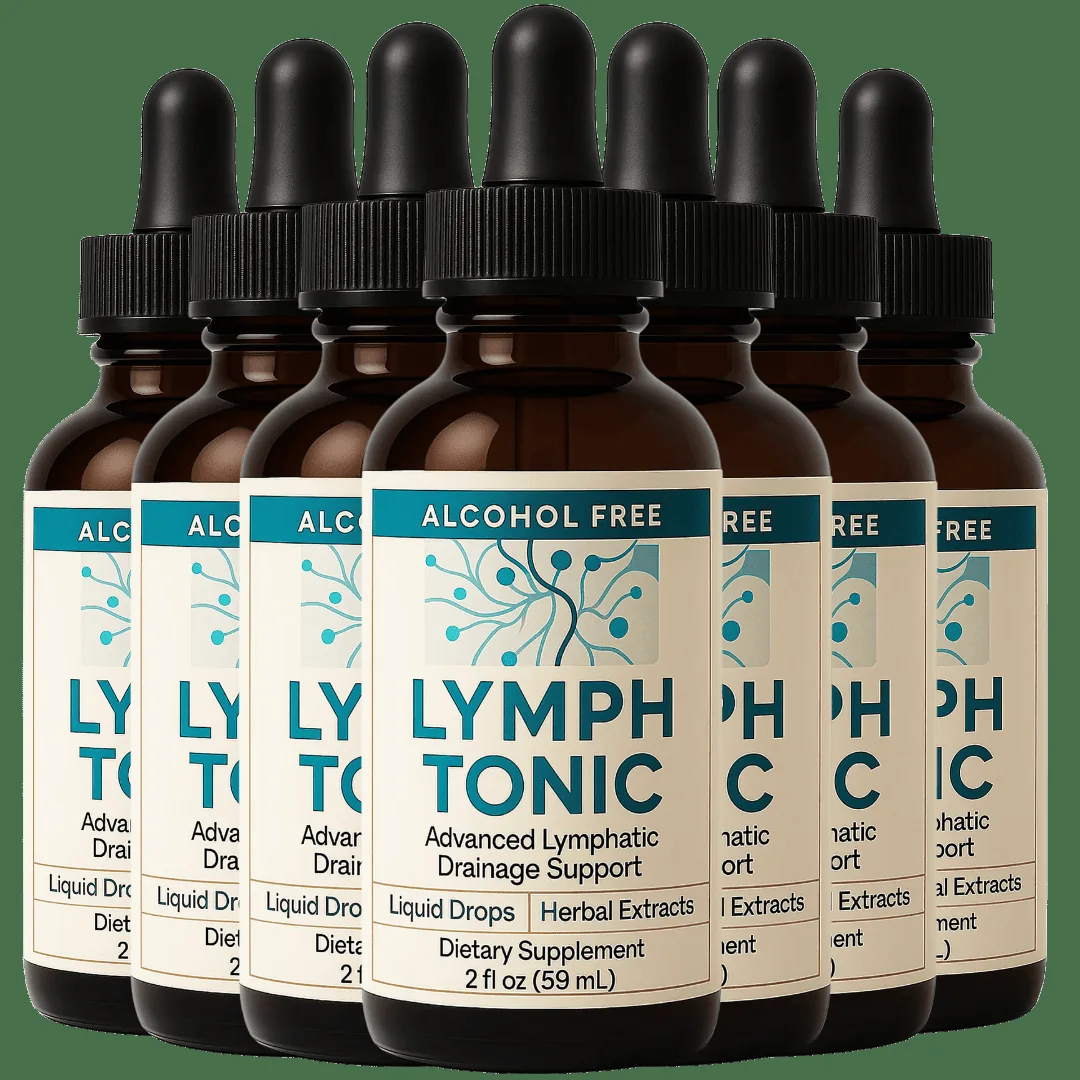
LymphTonic delivers omega-3 fatty acids alongside curcumin, boswellia, horse chestnut, gotu kola and nine more botanicals and antioxidants in an alcohol-free liquid — formulated for absorption and backed by a 60-day guarantee.
See LymphTonic Packages
Why omega-3s belong in a lymphatic formula
The lymphatic system is the body’s fluid-and-waste network. It collects the fluid that seeps out of blood vessels into your tissues, filters it through lymph nodes, and returns it to circulation. Unlike the bloodstream, it has no central pump — it relies on movement, muscle contraction and healthy tissues to keep everything flowing. When tissues are calm and membranes are healthy, lymph tends to move more freely; when an area is chronically irritated or congested, everything feels heavier.
Omega-3s support this system from two angles at once. Their contribution to fluid cell membranes helps the fine machinery of fluid exchange work as it should, and their role in the resolution of inflammation helps keep tissues calm enough for lymph to move. That is why they sit so naturally beside the drainage-and-circulation actives in a detox tonic. For the everyday habits that keep the whole network moving — movement, hydration, breathing — start with our overview of how to support lymphatic drainage naturally.
Dosing context and the EPA-plus-DHA number
Omega-3 amounts are meaningfully compared as combined EPA plus DHA, not as total fish-oil weight. The NIH Office of Dietary Supplements omega-3 fact sheet for health professionals gives the intake figures and the caveats that go with them.
Omega-3 research is usually described in terms of combined EPA and DHA, not total fish oil, and general wellness intakes discussed in the literature commonly fall somewhere in the range of a few hundred milligrams to around a gram or two of EPA plus DHA per day, depending on the goal. Major dietary guidance also encourages a couple of servings of oily fish each week for people who eat it. There is no single “correct” number that fits every product or every person — but the useful figure to anchor on is always the combined EPA and DHA, because that is the part doing the work.
Two practical points on reading an omega-3 amount:
- Total oil vs active omega-3 — a “1,000 mg fish oil” softgel may contain only a few hundred milligrams of actual EPA and DHA. The active number is the one that counts.
- The EPA-to-DHA ratio — both are valuable; EPA is often emphasised for the inflammation-resolving role, DHA for membranes and neural tissue. A blend gives you both.
Why omega-3s need protecting — and good delivery
Those flexible double bonds that make omega-3s so useful also make them delicate: they are prone to oxidation if left unprotected. That is one reason omega-3s are so often paired with antioxidants such as vitamin E, which help guard the fats from going rancid — a nice illustration of how ingredients cooperate inside a good formula. You can read more about that particular partnership in our guide to natural d-alpha tocopherol versus synthetic vitamin E. Being fat-soluble, omega-3s are also absorbed best when taken with some fat or delivered in a phospholipid-friendly base, which is exactly the environment a well-designed liquid formula provides.
What to look for on the label
- A stated EPA + DHA amount — the combined active figure per serving, not just total oil weight.
- A named source — marine (fish, krill or algal) omega-3s deliver EPA and DHA directly; algal oil is a plant-based route to the same long-chain forms.
- Purity and freshness cues — third-party testing for contaminants and oxidation, and antioxidant protection in the formula.
- Sensible company — omega-3s alongside antioxidants and phospholipids, as they are within LymphTonic’s blend.

Safety notes
Omega-3 fatty acids are a normal part of a healthy diet and are generally well tolerated, with a mild fishy aftertaste or light digestive upset being the most commonly reported niggles. Because omega-3s can gently influence how freely blood flows, anyone taking blood-thinning medication, preparing for surgery, pregnant or breastfeeding, or managing a medical condition should check with their doctor before adding a concentrated omega-3 supplement. This article is general information about a dietary nutrient, not medical advice, and omega-3s are not intended to diagnose, treat, cure or prevent any disease.
Frequently asked questions
What are omega-3 fatty acids?
Omega-3 fatty acids are a family of essential polyunsaturated fats the body cannot make in useful amounts and must get from food or supplements. The three that matter most are ALA from plants and EPA and DHA from marine sources. They are called essential because the body depends on them to build cell membranes and to produce signalling molecules that help keep its inflammatory response in balance. Omega-3s are a general nutritional building block and are not intended to diagnose, treat, cure or prevent any disease.
How do omega-3s support cell membranes?
Every cell in the body is wrapped in a membrane made largely of fatty acids. When the diet supplies plenty of EPA and DHA, those long, flexible omega-3 chains are woven into the membrane and help keep it fluid and responsive. A fluid, well-built membrane lets nutrients, signals and waste move across it more freely, which is part of why omega-3 status is linked with healthy circulation and tissue function.
What is the difference between EPA, DHA and ALA?
ALA (alpha-linolenic acid) is the plant-based omega-3 found in flax, chia and walnuts. EPA (eicosapentaenoic acid) and DHA (docosahexaenoic acid) are the long-chain marine omega-3s the body uses most directly. The body can convert a small amount of ALA into EPA and DHA, but the conversion is inefficient, which is why direct EPA and DHA are considered the most useful forms.
How do omega-3s relate to lymphatic health?
The lymphatic system manages fluid, waste and immune traffic, and it works best when tissues are calm and membranes are healthy. Omega-3s support both — they are studied for their role in helping the body resolve and balance inflammation, and they contribute to the fluid cell membranes that healthy fluid movement relies on. That makes them a natural companion to the drainage-supporting botanicals in a lymphatic formula.
What should I look for on an omega-3 label?
Look past the total fish oil number to the combined EPA and DHA figure, since that is the active portion. A quality product states its EPA and DHA per serving, notes the form (triglyceride or ethyl ester), and ideally references third-party purity testing. In a blended formula like LymphTonic, omega-3s work alongside phospholipids and antioxidants that help protect and deliver these delicate fats.
- National Institutes of Health, Office of Dietary Supplements. “Omega-3 Fatty Acids — Health Professional Fact Sheet.” ods.od.nih.gov
- Calder PC. “Omega-3 fatty acids and inflammatory processes: from molecules to man.” Biochemical Society Transactions. 2017. pubmed.ncbi.nlm.nih.gov
- Serhan CN. “Pro-resolving lipid mediators are leads for resolution physiology.” Nature. 2014. pubmed.ncbi.nlm.nih.gov
- Shaikh SR, Edidin M. “Polyunsaturated fatty acids, membrane organization, T cells, and antigen presentation.” American Journal of Clinical Nutrition. 2006. pubmed.ncbi.nlm.nih.gov
† These statements have not been evaluated by the FDA. This product is not intended to diagnose, treat, cure or prevent any disease. This article is for general information only and is not medical advice.