How Do Antioxidants Work? Free Radicals and Oxidative Stress
| How they work | Antioxidants donate a spare electron to unstable free radicals, neutralising them and breaking the chain reaction that damages cells. |
| Oxidative stress | The imbalance when free radicals outpace the body’s defences — driven by pollution, diet, stress and ageing. |
| Label check | Look for a variety of antioxidants covering both water- and fat-soluble spaces, ideally in well-absorbed forms. |
How do antioxidants work? Start with the electron
“Antioxidant” is one of the most-used words in wellness and one of the least-explained. So let us answer the real question — how do antioxidants work? — from the ground up, because once you understand the single chemical event at the heart of it, every antioxidant on a label suddenly makes sense.
It all comes down to electrons. Atoms and molecules like their electrons in pairs. A molecule that is missing an electron becomes unstable and desperate to grab a replacement — and it will snatch one from any neighbouring molecule it touches. That unstable, electron-hungry molecule is a free radical. When it steals an electron, its victim becomes a free radical in turn, and a damaging chain reaction rips through cell membranes, proteins and even DNA. An antioxidant is simply a molecule generous enough to donate an electron to a free radical without becoming dangerously unstable itself. It satisfies the radical, breaks the chain, and stays calm. That is the whole trick.
This guide explains what free radicals and oxidative stress really are, how antioxidants neutralise them, why they work best as a team, and how this connects to lymphatic and detox support. Several of the thirteen actives in LymphTonic are antioxidants, and this is the mechanism they share.
What are free radicals, and where do they come from?
A free radical is simply a molecule carrying an unpaired electron, which makes it reactive enough to pull an electron from whatever it meets. A widely cited overview of free radicals, antioxidants and functional foods traces where they come from — normal respiration first, pollution and UV second.
Free radicals are not villains imported from outside — your body makes them on purpose, every second. The main source is your own energy production: inside your cells, mitochondria burn food and oxygen to make energy, and a small fraction of that oxygen ends up as reactive oxygen species, the best-known family of free radicals. Your immune cells also deliberately produce radicals to neutralise threats. In modest amounts, these molecules are useful signalling tools; the body relies on them.
The trouble starts when production climbs too high or defences drop too low. External pressures pile on more radicals: air pollution, cigarette smoke, ultraviolet light, alcohol, ultra-processed food, intense exercise and even psychological stress all raise the load. Meanwhile the body’s ability to keep up can be worn down by a nutrient-poor diet and by ageing. The result is a running battle between radical production and radical defence.
What is oxidative stress?
Oxidative stress is the imbalance that results when the production of reactive species outruns the body’s ability to neutralise them and repair the damage. Sies’s definition of oxidative stress as a concept in redox biology and medicine is the reference point most later work builds on.
When that battle tips too far toward the radicals, the state is called oxidative stress — more free radicals than the body’s antioxidant systems can comfortably neutralise. Think of it as rust, or a cut apple turning brown: those everyday sights are oxidation you can see. Inside the body, unchecked oxidation nibbles at the fats in cell membranes, alters proteins and stresses tissues. It is now understood to be one of the background contributors to the wear-and-tear of ageing and to the low-grade, lingering irritation that wellness routines try to keep in check.
Crucially, the goal is not to abolish all free radicals — that would remove signals the body needs — but to keep them in balance. That balanced-response framing is the honest, compliant way to describe what antioxidants do: they help the body maintain its own equilibrium between oxidation and defence, rather than forcing the system in one direction.
The body’s own defences — and where diet comes in
You are not defenceless. The body runs its own antioxidant enzymes — with names like superoxide dismutase, catalase and glutathione peroxidase — that mop up radicals continuously. But these home-grown systems benefit from support, and that is where dietary antioxidants come in. Vitamins C and E, the carotenoids, and the vast family of plant polyphenols and flavonoids all top up the body’s defensive capacity. Many plant antioxidants do something cleverer still: rather than only neutralising radicals directly, they gently nudge the body’s own protective genes to make more of its native enzymes — a signalling effect that is a major reason botanicals like curcumin are so well studied.
A spectrum of antioxidants in one daily tonic
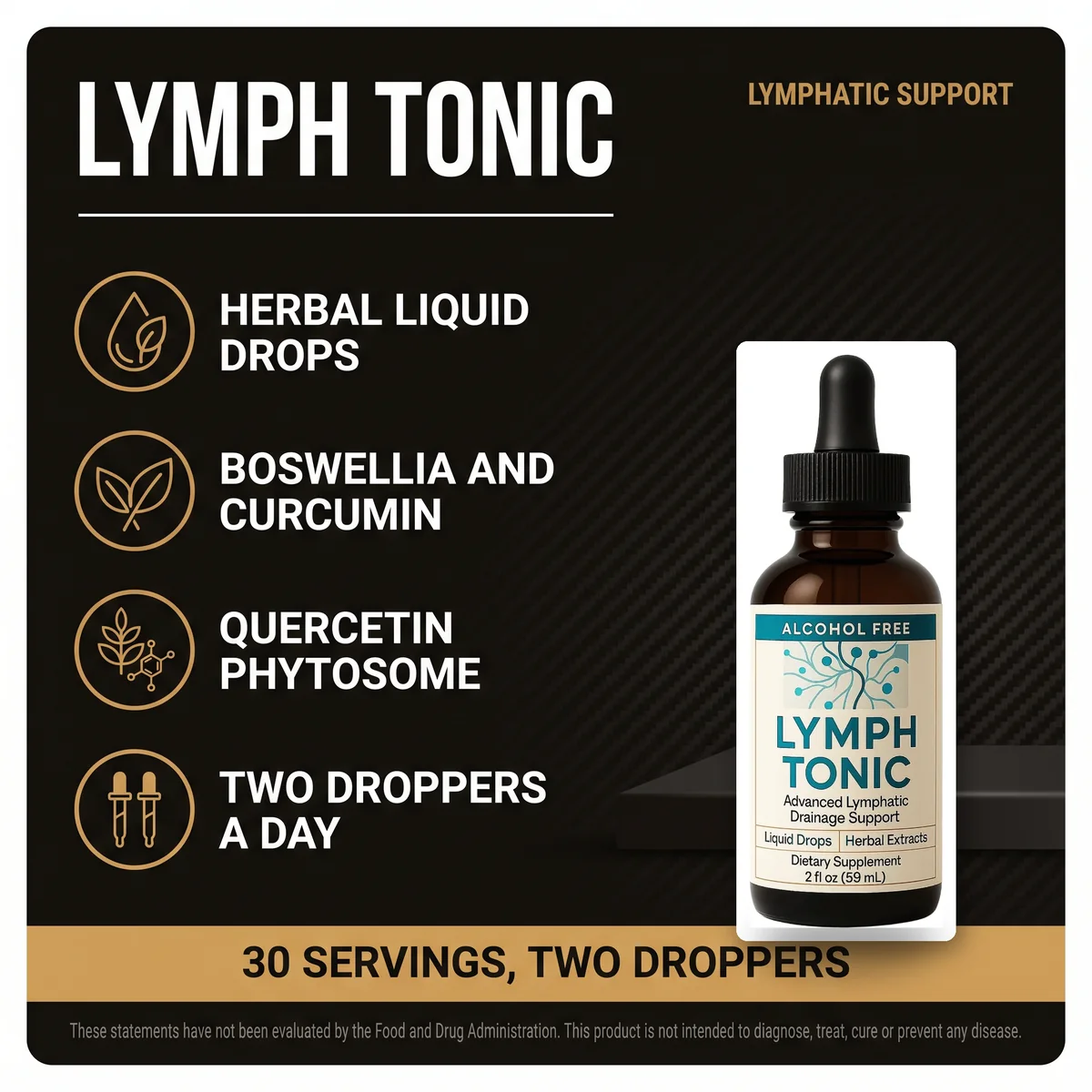
LymphTonic combines antioxidant actives — curcumin, baicalein, quercetin, vitamin E and more — with circulation and drainage botanicals in an alcohol-free liquid, formulated for absorption and backed by a 60-day guarantee.
See LymphTonic Packages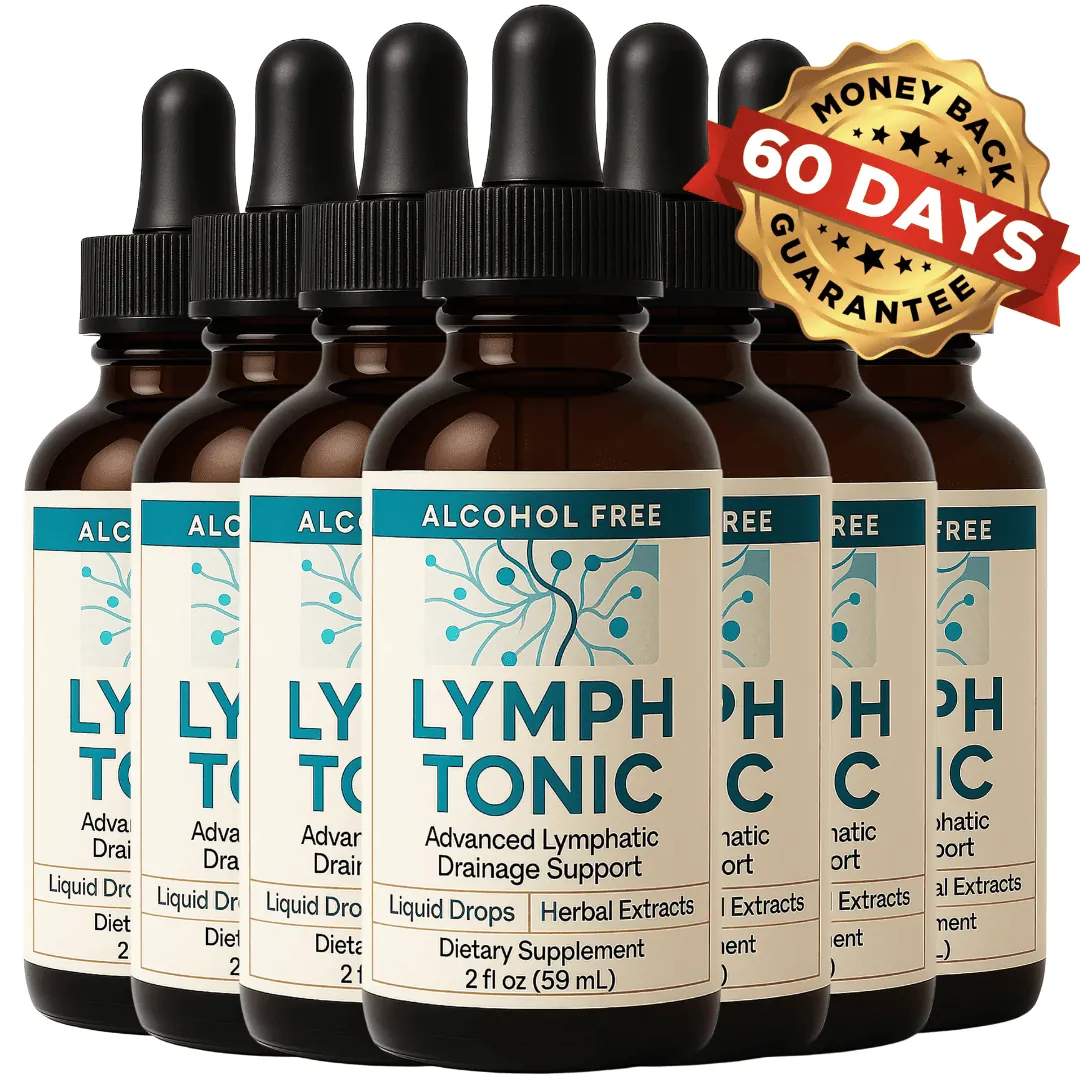
Water-soluble vs fat-soluble: covering both spaces
Free radicals form everywhere — in the watery interior of cells and blood, and inside the fatty membranes that wrap them — so no single antioxidant can guard the whole territory. That is why antioxidants come in two broad camps:
- Water-soluble antioxidants — vitamin C and many flavonoids patrol the watery zones: blood plasma and the fluid inside cells.
- Fat-soluble antioxidants — vitamin E and carotenoids embed in cell membranes and fatty tissues, where they protect the delicate fats. This is exactly the role of natural vitamin E, which we compare with the synthetic form in our guide to d-alpha tocopherol versus synthetic vitamin E.
A well-built formula deliberately covers both. Among LymphTonic’s antioxidants, the skullcap flavonoid baicalein is a good example of a plant compound working the antioxidant angle — you can read how it does so in our guide to baicalein, the skullcap flavonoid antioxidant.
The antioxidant network: why teamwork matters
No single antioxidant works alone; they regenerate one another in a chain, which is why isolated megadoses have repeatedly disappointed in trials. A review of free radicals and antioxidants in disease and health describes that network behaviour and its limits.
Here is the detail most articles miss. When an antioxidant donates its electron to a radical, it becomes mildly oxidised itself — a spent, if harmless, version of its former self. The elegant part is that antioxidants can regenerate one another. Vitamin C, for instance, can hand an electron to used-up vitamin E and restore it to active duty. This relay is called the antioxidant network, and it is the single best argument for getting a variety of antioxidants rather than a megadose of one. A team that can recharge each other outperforms any lone player — which is precisely the logic behind blending several complementary antioxidants in one formula.
How antioxidants relate to lymph and detox
The lymphatic system is part of how the body clears waste and supports its own natural detox processes — and clearing waste, like producing energy, generates free radicals along the way. When oxidative stress runs high, tissues can feel irritated and congested; when it stays in balance, they stay calmer and fluid tends to move more freely. Antioxidants therefore make natural companions to the drainage-and-circulation actives in a detox tonic, helping keep the terrain calm so the rest of the formula can do its work. For the everyday habits that support the whole system, see our overview of how to support lymphatic drainage naturally.
Dosing context and the food-first principle
There is no single “antioxidant dose,” because the category spans vitamins, minerals and thousands of plant compounds, each with its own research. Two principles hold across the board. First, food first: a colourful diet of vegetables, fruit, herbs, tea and spices remains the best foundation, and supplements are there to complement it. Second, variety over megadose: because antioxidants work as a network, a sensible spread of complementary compounds is generally wiser than an enormous amount of any single one — and, in fact, some antioxidants can behave unhelpfully at extreme isolated doses, another reason balance beats excess.
What to look for on the label
- Variety, not a single hero — several complementary antioxidants covering both water- and fat-soluble spaces.
- Well-absorbed forms — phytosome or phospholipid-delivered actives, since many antioxidants are poorly absorbed raw.
- Natural, identifiable sources — named botanicals and the natural “d” form of vitamin E rather than vague “antioxidant blend” wording alone.
- Sensible company — antioxidants alongside the circulation and drainage actives they support, as in LymphTonic’s blend.
Safety notes
Dietary antioxidants from food and balanced supplements are generally well tolerated and are a normal part of a healthy diet. Very high isolated doses of certain antioxidants are not automatically better and can occasionally be counterproductive, which is another reason to favour variety and food-first habits. If you are pregnant or breastfeeding, take prescription medication, or have a medical condition, check with your doctor before adding a concentrated antioxidant supplement. This article is general information about dietary compounds, not medical advice, and antioxidants are not intended to diagnose, treat, cure or prevent any disease.
Frequently asked questions
How do antioxidants work?
Antioxidants work by donating a spare electron to unstable molecules called free radicals, neutralising them before they can damage cells. A free radical is missing an electron and steals one from whatever it touches, setting off a chain reaction; an antioxidant safely gives up an electron to break that chain and then stays stable itself. Antioxidants are general dietary compounds and are not intended to diagnose, treat, cure or prevent any disease.
What is oxidative stress?
Oxidative stress is the imbalance that occurs when the body is producing more free radicals than its antioxidant defences can comfortably neutralise. Some free radicals are a normal by-product of turning food and oxygen into energy, and the body has its own antioxidant systems to manage them. When production runs high — from factors like pollution, poor diet, stress or simply ageing — and defences fall short, the excess can damage cell components over time.
What is the difference between water-soluble and fat-soluble antioxidants?
Water-soluble antioxidants such as vitamin C and many flavonoids work in the watery parts of the body — blood plasma and the fluid inside cells. Fat-soluble antioxidants such as vitamin E work within cell membranes and fatty tissues. Because free radicals form in both environments, a good antioxidant intake covers both, which is why balanced formulas combine several types.
Do antioxidants work better together?
Often, yes. Antioxidants form a network in which one can regenerate another after it has done its job — for example, vitamin C can help restore used vitamin E to its active form. This teamwork, sometimes called the antioxidant network, is a key reason nutritionists favour a variety of antioxidants from food and formulas over a single isolated compound in isolation.
How do antioxidants relate to lymphatic and detox support?
The lymphatic system helps clear waste and supports the body’s natural detox processes, and both generate free radicals along the way. Antioxidants help the body keep oxidative stress in balance so tissues stay calm and comfortable, which supports healthy fluid movement. That is why antioxidant botanicals sit naturally alongside drainage-supporting ingredients in a lymphatic formula.
- Lobo V, et al. “Free radicals, antioxidants and functional foods: impact on human health.” Pharmacognosy Reviews. 2010. ncbi.nlm.nih.gov
- Pham-Huy LA, et al. “Free radicals, antioxidants in disease and health.” International Journal of Biomedical Science. 2008. ncbi.nlm.nih.gov
- Sies H. “Oxidative stress: a concept in redox biology and medicine.” Redox Biology. 2015. pubmed.ncbi.nlm.nih.gov
- National Center for Complementary and Integrative Health. “Antioxidants: In Depth.” NCCIH. nccih.nih.gov
† These statements have not been evaluated by the FDA. This product is not intended to diagnose, treat, cure or prevent any disease. This article is for general information only and is not medical advice.