Alcohol-Free Glycerin Tinctures vs Alcohol: How They Absorb
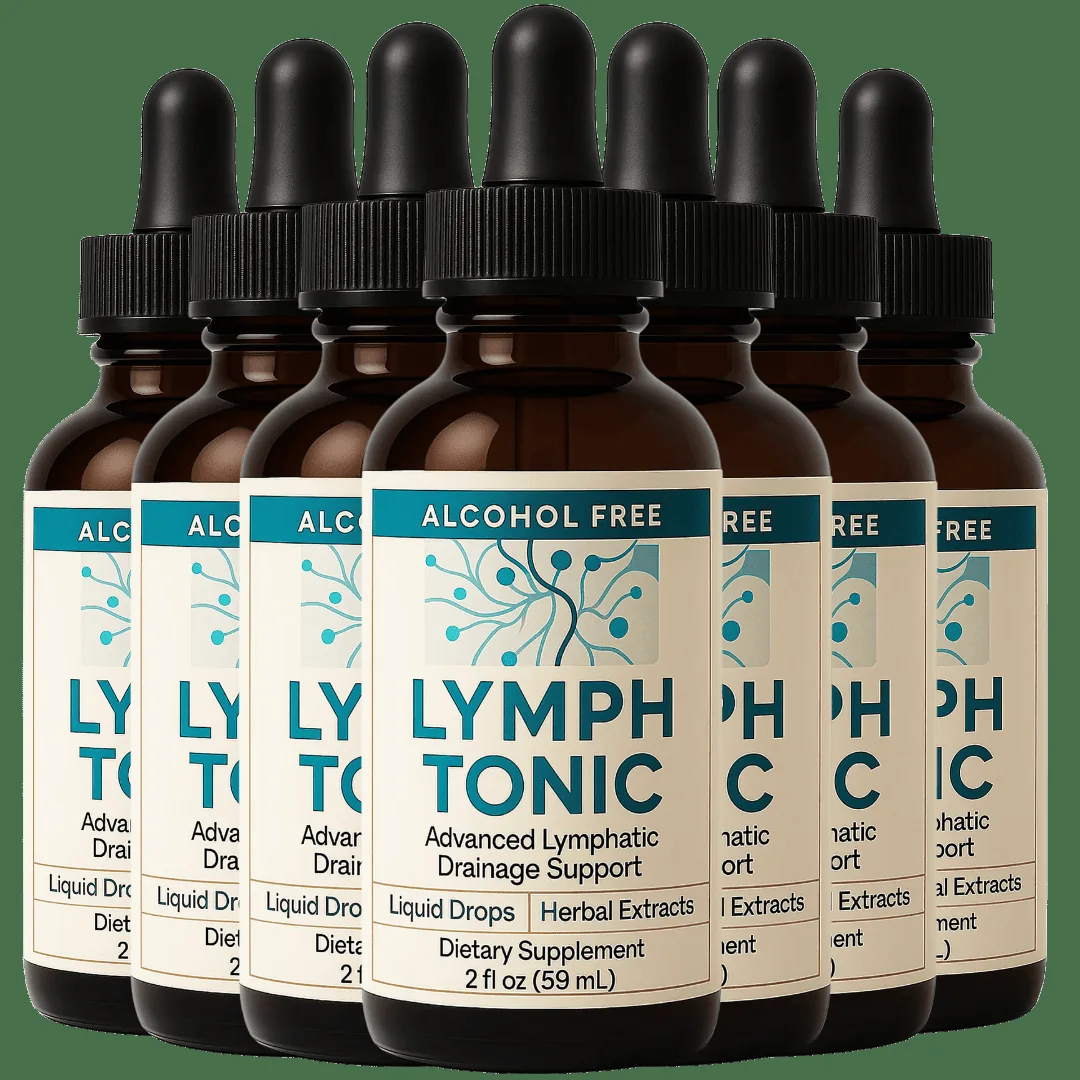
| The difference | Both are liquid herbal extracts; an alcohol tincture uses ethanol as the solvent, a glycerin tincture uses sweet, alcohol-free vegetable glycerin. |
| How they absorb | Liquids arrive already dissolved, so absorption can begin sooner than with a capsule that must first break down. |
| Label check | Look for a glycerin base, purified water, a stated dropper serving, and a use-by date — plus absorption partners for fat-soluble actives. |
Alcohol-free glycerin tinctures vs alcohol: why the solvent matters
If you have ever taken a herbal tincture and felt that sharp, throat-catching burn, you have met the reason so many people quietly give up on liquid supplements. That burn is alcohol — the traditional solvent used to make most tinctures. There is another way to build a liquid extract, and understanding the difference between an alcohol-free glycerin tincture and an alcohol tincture tells you a lot about how a product will taste, how well you will stick with it, and how its ingredients reach your body.
This guide compares the two solvents at the level of the chemistry, explains how liquid drops are absorbed, and covers the practical trade-offs of taste, shelf life and everyday use. LymphTonic is built on a gentle, alcohol-free glycerin base — you can see the reasoning on the LymphTonic homepage — and this article explains the thinking behind that choice.
What a tincture actually is
A tincture is simply a liquid herbal extract: plant material steeped in a solvent that pulls the active compounds out of the plant and holds them in solution. The finished liquid concentrates those compounds into a form you can dose by the dropper. The single most important design decision in any tincture is the solvent — the liquid that does the extracting — because different solvents dissolve different compounds and behave very differently once the bottle is in your hands.
The two most common solvents are ethanol (drinking alcohol) and vegetable glycerin, a naturally sweet, syrupy liquid derived from plant oils. A glycerin-based tincture is sometimes called a glycerite. Both produce a liquid herbal extract; the character of that extract depends heavily on which solvent was chosen.
How each solvent extracts the herb
A solvent’s only job in a tincture is to pull plant compounds out of fibrous material and hold them in solution, and its polarity decides which compounds come along for the ride. Technical reviews of extraction and isolation techniques for natural products describe ethanol and water–glycerin systems as recovering overlapping but not identical fractions of the same plant — which is why two tinctures of one herb can taste, look and behave differently.
Ethanol is a powerful, versatile solvent. It readily dissolves a wide range of plant compounds, including many resins and fat-soluble constituents that water struggles with, and it doubles as a strong natural preservative. Those strengths are exactly why it became the traditional default. Its downsides are equally real: a harsh taste and burn, and the simple fact that it is alcohol, which many people prefer or need to avoid.
Vegetable glycerin is a gentler, sweet-tasting solvent. It is excellent at dissolving water-soluble plant compounds and is naturally pleasant to take, which makes a glycerite far easier to use day after day. Its trade-off is that glycerin, used alone, is a less aggressive solvent than alcohol for certain resinous or fat-soluble compounds. Thoughtful modern formulas get around this by not relying on the base liquid alone to do all the work: they combine standardized extracts (already concentrated before they reach the bottle) with absorption partners such as black pepper and a phospholipid carrier. That way you get the smoothness of an alcohol-free glycerin base and good delivery of the fat-soluble actives — the same phospholipid logic explained in our guide to phosphatidylcholine and phospholipid absorption.
How liquid drops are absorbed
Held under the tongue, a liquid extract meets a thin, richly supplied lining rather than the acid and enzymes of the stomach. The oral mucosa has been studied for decades as a route for systemic drug delivery, though how much of any given botanical actually crosses there depends on the size and solubility of the molecule, not on the marketing.
Here is where liquids have a genuine, if often overstated, advantage. When you swallow a tablet or capsule, your body must first break down the shell and disintegrate the compressed powder before any active can dissolve and be absorbed — a process that takes time and that some poorly-made pills never complete well. A liquid skips that entire step: the actives are already dissolved and ready for the gut to take up as soon as they arrive.
There is a second, more modest effect worth describing honestly. The tissues under the tongue and inside the cheeks are thin and rich in blood vessels, so when a liquid is held briefly in the mouth, a portion of certain small, suitable compounds can begin to absorb directly there — the sublingual route. It is important not to oversell this: not every compound absorbs well sublingually, and most of a dose is still taken up in the digestive tract. But the combination of pre-dissolved actives and a moment of mouth contact is a real reason many people favour a well-made liquid, and it is why directions often say to hold the drops in the mouth before swallowing.
An alcohol-free tonic that’s easy to take daily
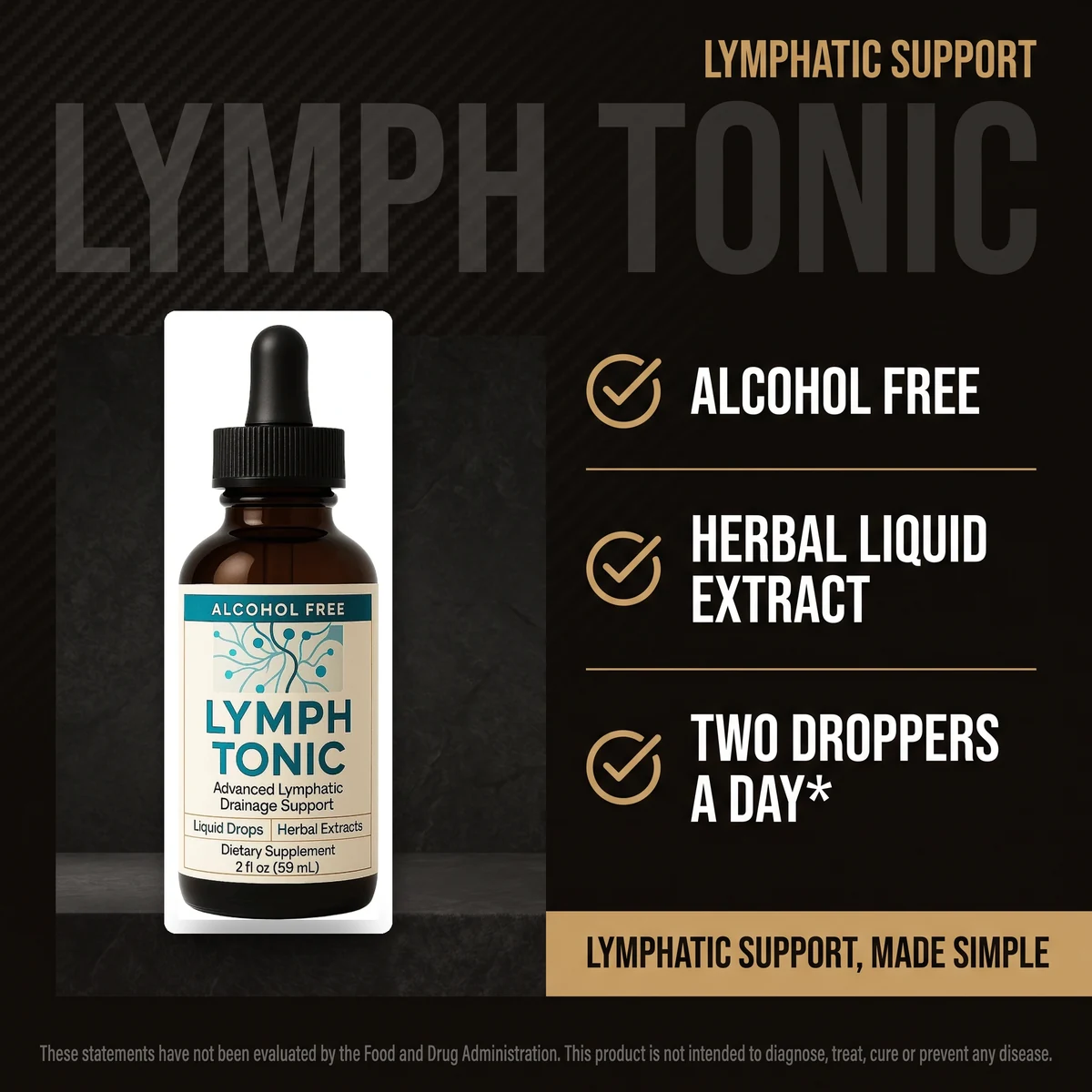
LymphTonic delivers thirteen botanicals and antioxidants in a smooth, alcohol-free glycerin base — with black pepper and a phospholipid carrier for absorption, and a 60-day guarantee. Easy enough to take every single day.
See LymphTonic Packages
Taste, consistency and why they matter more than you think
There is an unglamorous truth behind every supplement: it only works if you actually take it. A product that tastes unpleasant gets pushed to the back of the cupboard, and the best formula in the world does nothing from there. This is where an alcohol-free glycerin base earns its keep. Its natural, light sweetness makes a daily dropper something you can take without bracing yourself, which quietly improves the one variable that matters most — consistency. For a routine built around gentle, everyday lymphatic and detox support, being easy to take is not a luxury; it is part of how the product does its job. For the habits that surround it, see our overview of how to support lymphatic drainage naturally.
Who tends to choose alcohol-free
Plenty of people have good reasons to skip the ethanol:
- Those who dislike the burn — the sharp taste of an alcohol tincture is the number-one reason people abandon liquids.
- People avoiding alcohol — for personal, health or religious reasons.
- Whole-household buyers — who want one gentle bottle everyone can use.
- Anyone prioritising consistency — because a pleasant liquid is one you will remember to take.
Shelf life and storage
A fair question about any alcohol-free product is whether it keeps as well. Glycerin is a capable natural preservative at a high enough concentration, even if alcohol is the more aggressive preserving agent. A well-made glycerite maintains stability through sufficient glycerin content, purified water, careful manufacturing, and appropriate packaging — and, like any supplement, it carries a use-by date. The practical rules are simple: keep the bottle cool and tightly sealed, keep the dropper clean, and use the product within its stated period. Treated sensibly, an alcohol-free liquid stays fresh and effective throughout its shelf life.
What to look for on the label
- A named glycerin base — vegetable glycerin and purified water, clearly stated, rather than a vague “proprietary liquid.”
- A clear serving — the number of droppers per dose and servings per bottle.
- Absorption support — standardized extracts plus partners like black pepper and a phospholipid carrier for the fat-soluble actives.
- A use-by date and clean other-ingredients list — the marks of a properly made, stable product.
For more on reading the actives themselves, see our guide to what “standardized extract” means on a supplement label.
Safety notes
Glycerin and alcohol tinctures are both long-established formats, and neither is regulated the way a medicine is. The NCCIH’s plain-language guidance on herbs and botanical supplements is the sensible place to start if you take prescription medication, are pregnant or are nursing.
Vegetable glycerin is widely used in foods and supplements and is generally well tolerated; very large amounts can have a mild laxative effect in some people, but ordinary dropper servings are gentle. As with any supplement, follow the product’s own directions, and if you are pregnant or breastfeeding, take prescription medication, or have a medical condition, check with your doctor before starting. This article is general information about herbal liquid formats, not medical advice, and dietary supplements are not intended to diagnose, treat, cure or prevent any disease.
Frequently asked questions
What is the difference between a glycerin tincture and an alcohol tincture?
Both are liquid herbal extracts, but they use different solvents to pull the plant compounds out. An alcohol tincture uses ethanol, which is a strong, broad solvent and a natural preservative. A glycerin tincture (a glycerite) uses vegetable glycerin, a naturally sweet, alcohol-free liquid that is gentler on the palate. The choice of solvent affects taste, which compounds are extracted best, and shelf life. Both are general dietary products, not medicines.
Are liquid tinctures absorbed better than capsules?
Liquids have a head start because the actives are already dissolved, so the body does not need to break down a tablet or capsule shell first. Held briefly in the mouth, a portion of some compounds can also begin to absorb across the tissues there. A capsule must disintegrate and dissolve before absorption begins. Individual results vary, and the actual advantage depends on the specific compounds and the formula’s delivery design.
Why would someone choose an alcohol-free supplement?
People choose alcohol-free glycerin-based products for several reasons: they dislike the sharp taste and burn of alcohol tinctures, they avoid alcohol for personal, health or religious reasons, they are buying for the whole household, or they simply find a smooth, lightly sweet liquid easier to take consistently. Consistency matters, because a supplement only helps if it is actually taken each day.
Does glycerin preserve a tincture as well as alcohol?
Glycerin is a capable natural preservative when used at a high enough concentration, though alcohol is the more aggressive preserving agent. Well-made alcohol-free formulas maintain stability through sufficient glycerin content, purified water, careful manufacturing and appropriate packaging, and they carry a use-by date like any other supplement. Store them cool and sealed and use within the stated period.
How should I take an alcohol-free liquid supplement?
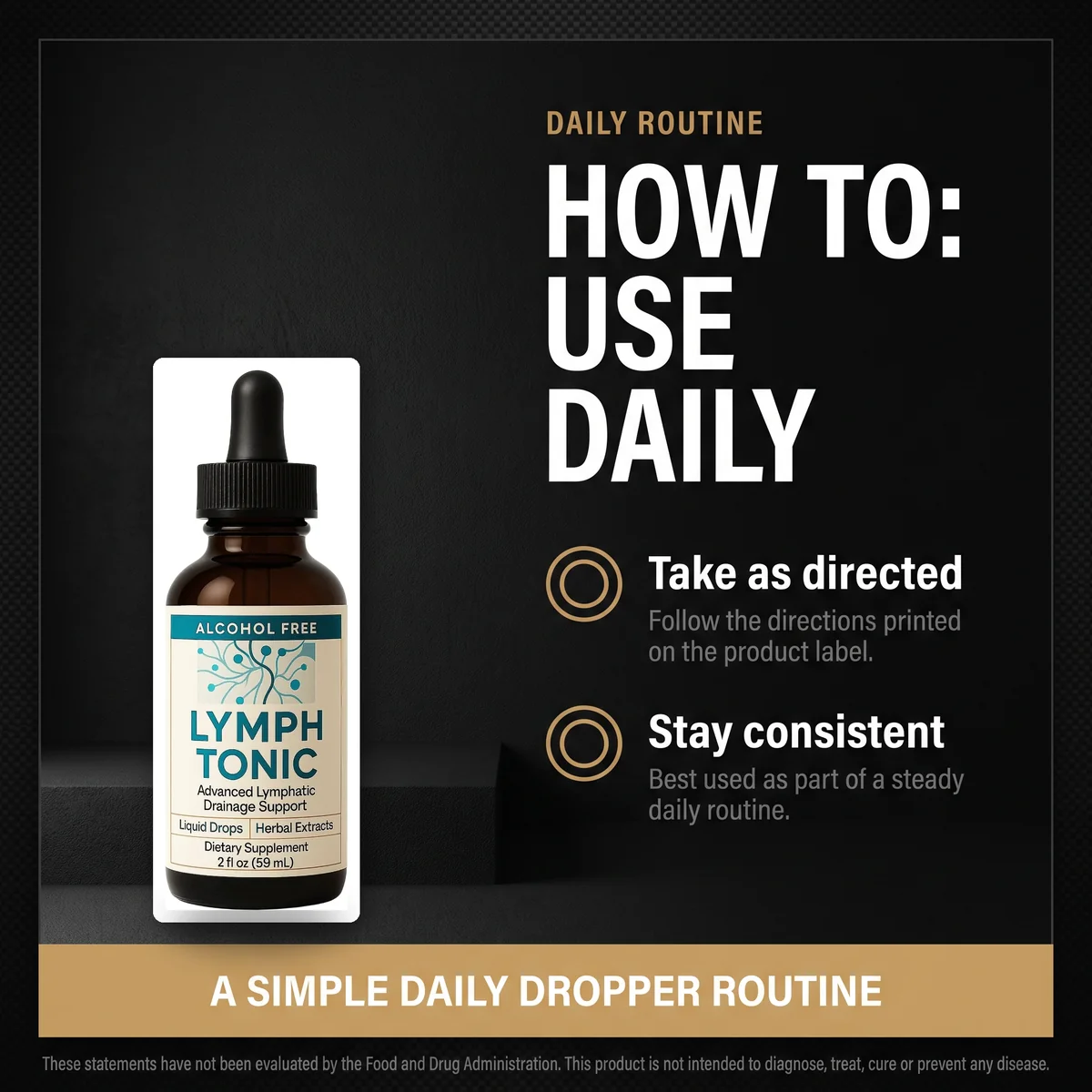
Shake the bottle first so the herbal extracts are evenly mixed, then take the stated number of droppers, holding the liquid in the mouth briefly before swallowing if the label suggests it. Taking it consistently at the same time each day makes it easy to remember. Always follow the product’s own directions and consult your doctor if you are pregnant, breastfeeding, on medication or managing a condition.
- Zhang QW, Lin LG, Ye WC. “Techniques for extraction and isolation of natural products: a comprehensive review.” Chinese Medicine. 2018. ncbi.nlm.nih.gov
- Shojaei AH. “Buccal mucosa as a route for systemic drug delivery: a review.” Journal of Pharmacy & Pharmaceutical Sciences. 1998. pubmed.ncbi.nlm.nih.gov
- U.S. Food & Drug Administration. “Glycerin — substance added to food (GRAS).” FDA. fda.gov
- National Center for Complementary and Integrative Health. “Herbal Supplements.” NCCIH. nccih.nih.gov
† These statements have not been evaluated by the FDA. This product is not intended to diagnose, treat, cure or prevent any disease. This article is for general information only and is not medical advice.